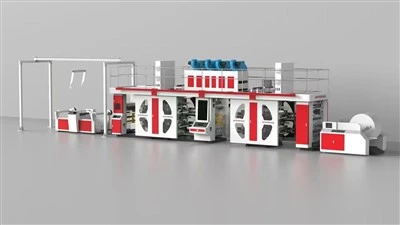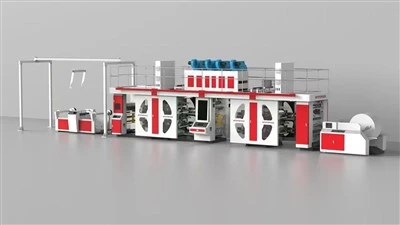


Humidity and temperature are two crucial environmental factors that can significantly impact the performance and output quality of a Digital Flexo Printing Machine. As a leading supplier of Digital Flexo Printing Machines, we have witnessed firsthand the effects of these environmental variables on the printing process. In this blog, we will delve into how humidity and temperature can influence a Digital Flexo Printing Machine and discuss strategies to mitigate their negative impacts.
Impact of Temperature on Digital Flexo Printing Machines
Ink Viscosity
Temperature plays a vital role in determining the viscosity of the ink used in a Digital Flexo Printing Machine. Generally, as the temperature increases, the ink's viscosity decreases. This can lead to problems such as excessive ink transfer, which may cause smudging, blurring, or uneven color coverage on the printed material. Conversely, when the temperature is too low, the ink becomes more viscous, making it difficult for the ink to flow smoothly through the printing system. This can result in poor ink transfer, clogged anilox rolls, and inconsistent print quality.
For instance, if you are using a 4 Color Flexo Printing Machine and the temperature in the printing environment is extremely high, the ink might spread too quickly on the substrate, ruining the fine details of the print. On the other hand, in a cold environment, the thickened ink may not be able to fill the cells of the anilox roll properly, leading to incomplete ink transfer and patchy prints.
Material Expansion and Contraction
The materials used in the Digital Flexo Printing Machine, including the printing plates, substrates, and mechanical components, can expand or contract with temperature changes. For printing plates, thermal expansion can cause dimensional changes, which may lead to misregistration issues. If the plates expand or contract unevenly, the different colors in a multi - color print may not align correctly, resulting in a blurred or off - register final product.
Substrates are also affected by temperature. For example, plastic films can shrink or expand at different rates depending on the temperature. If a Gearless Flexo Printing Press is printing on a plastic film and the temperature fluctuates, the film may distort, causing problems with the printed image alignment and overall quality.
Drying Process
The drying process in a Digital Flexo Printing Machine is highly temperature - dependent. Many inks rely on heat to evaporate the solvents and dry quickly on the substrate. In a low - temperature environment, the ink may take longer to dry, which can lead to smudging and set - off. Set - off occurs when the wet ink on the printed side of the substrate transfers to the back of the next sheet in the stack.
In a high - temperature environment, the ink may dry too quickly, which can cause the ink to form a skin on the surface of the anilox roll or the printing plate. This skin can prevent proper ink transfer and lead to a loss of print quality.
Impact of Humidity on Digital Flexo Printing Machines
Substrate Moisture Absorption
Humidity can cause substrates to absorb or release moisture. Paper substrates, in particular, are highly sensitive to humidity changes. When the humidity is high, paper can absorb moisture and become limp and wavy. This can make it difficult for the paper to feed smoothly through the Digital Flexo Printing Machine, leading to jams and misfeeds.
In addition, the absorbed moisture can affect the ink's adhesion to the paper. The ink may not bond properly to the moist paper surface, resulting in poor print quality, such as ink flaking or rubbing off easily. For an Inline Flexo Printing Machine printing on paper, high humidity can be a significant challenge, especially when it comes to maintaining consistent print quality throughout the production run.
Conversely, in a low - humidity environment, paper can lose moisture and become brittle. Brittle paper is more likely to tear during the printing process, causing machine downtime and increasing waste.
Ink Drying and Curing
Humidity can also affect the ink drying and curing process. High humidity can slow down the evaporation of solvents in the ink, similar to low - temperature conditions. This can lead to longer drying times and potential smudging issues. On the other hand, low humidity can cause the ink to dry too quickly, which may result in cracking or a rough surface finish on the printed material.


For water - based inks commonly used in Digital Flexo Printing Machines, humidity is particularly critical. Water - based inks rely on the evaporation of water for drying. In a high - humidity environment, the water in the ink has a harder time evaporating, which can significantly extend the drying time.
Static Electricity
Low humidity levels often lead to the generation of static electricity in the printing environment. Static electricity can cause several problems in a Digital Flexo Printing Machine. It can attract dust and debris to the substrates and printing components, which can contaminate the ink and cause defects in the printed material.
Static electricity can also cause the substrates to stick together, making it difficult to separate them during the feeding process. This can lead to misfeeds and jams in the machine. For a Ci Printing Machine or a CI Flexo Printing Press, static - related issues can disrupt the production flow and reduce productivity.
Strategies to Mitigate the Effects of Humidity and Temperature
Environmental Control
One of the most effective ways to mitigate the effects of humidity and temperature is to control the environment in the printing facility. This can be achieved by installing a climate - control system, such as an air - conditioning and dehumidification system. Maintaining a stable temperature and humidity level within the recommended range for the Digital Flexo Printing Machine can significantly improve print quality and reduce downtime.
Most Digital Flexo Printing Machines operate best at a temperature range of 20 - 25°C (68 - 77°F) and a relative humidity range of 40 - 60%. By keeping the environment within these parameters, you can minimize the negative impacts of temperature and humidity on the printing process.
Ink Management
Proper ink management is also crucial. You should monitor the ink viscosity regularly and adjust it as needed to compensate for temperature changes. Some inks come with additives that can help maintain a stable viscosity over a wider temperature range.
In addition, store the inks in a temperature - controlled environment to prevent them from being affected by extreme temperatures. This can help ensure that the ink properties remain consistent throughout the printing process.
Substrate Handling
When handling substrates, it is important to allow them to acclimate to the printing environment before use. This can help reduce the risk of moisture - related issues, such as warping or static electricity. If possible, store the substrates in a climate - controlled area.
For paper substrates, consider using moisture - resistant coatings to protect them from humidity changes. These coatings can help improve the ink adhesion and prevent the paper from absorbing excessive moisture.
Conclusion
As a supplier of Digital Flexo Printing Machines, we understand the challenges that humidity and temperature can pose to the printing process. By being aware of the impacts of these environmental factors and implementing appropriate mitigation strategies, you can ensure consistent print quality, reduce downtime, and increase productivity.
If you are interested in learning more about our Digital Flexo Printing Machines or need advice on optimizing your printing process in different environmental conditions, we invite you to contact us for procurement and further discussions. Our team of experts is ready to assist you in finding the best solutions for your specific printing needs.
References
- Smith, J. (2018). "The Impact of Environmental Factors on Flexographic Printing." Journal of Printing Science and Technology, 22(3), 123 - 135.
- Johnson, A. (2019). "Temperature and Humidity Control in Printing Facilities." Printing Industry Review, 35(2), 45 - 52.
- Brown, C. (2020). "Ink Viscosity and Its Relationship with Temperature in Flexo Printing." International Journal of Printing Technology, 18(4), 78 - 89.