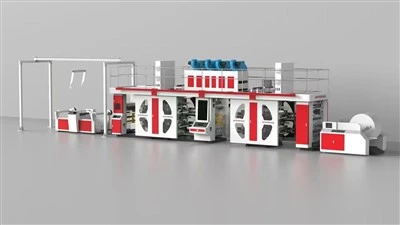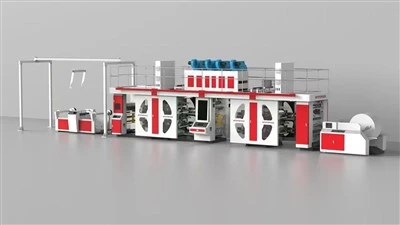


Hey there! As a supplier of Slitting Rewinding Machines, I often get asked about how the waste removal system in these machines works. Well, you're in luck because today I'm going to break it down for you.
First off, let's understand what a Slitting Rewinding Machine does. In simple terms, it cuts wide rolls of material like paper, plastic, or fabric into narrower rolls. This process is super useful in various industries, from packaging to textiles. And while it's cutting these materials, waste is bound to be generated. That's where the waste removal system steps in.
1. The Basics of Waste Generation
When a Slitting Rewinding Machine is operating, waste is created in several ways. For example, during the slitting process, the edges of the material might be trimmed off to get the desired width of the final rolls. These trimmings are a form of waste. Also, there could be small pieces of the material that get detached due to the cutting action. Imagine cutting a long strip of paper into smaller pieces; you're bound to have some bits here and there, right? This is exactly what happens in a slitting rewind operation.
2. The Components of the Waste Removal System
2.1. Suction Systems
One of the most common ways to remove waste is through a suction system. These systems work like a giant vacuum cleaner for the machine. They are equipped with powerful fans that create a strong suction force. The waste, which is usually light and small in size, gets sucked into a duct.
The suction nozzles are strategically placed near the cutting areas of the machine. This ensures that as soon as the waste is generated, it gets picked up. For example, if you have a PP Woven Valve Bag Slitter Rewinder, the suction nozzles will be right next to the blades where the trimming occurs. The waste is then transported through the duct to a collection bin.
2.2. Collection Bins
The collection bins are where all the waste ends up. They are designed to be easily removable and cleanable. Once the bin is full, it can be taken out, emptied, and put back in the machine. This is important because if the bin gets too full, the suction system won't work efficiently, and waste might start to build up in the machine.
Some collection bins are also equipped with filters. These filters help to separate the waste from the air that is being sucked in. This is crucial because it prevents the waste from being blown back into the machine or the surrounding environment.
2.3. Conveyor Systems
In some larger Slitting Rewinding Machines, conveyor systems are used to move the waste. Instead of relying solely on suction, the waste is placed on a conveyor belt. The belt then transports the waste to the collection area. This is especially useful for heavier or larger pieces of waste that might not be easily picked up by a suction system.
3. How the System Operates
The waste removal system starts working as soon as the Slitting Rewinding Machine is turned on. The suction fans or conveyor belts are activated, and they are ready to collect the waste.
When the machine starts slitting the material, the waste is immediately targeted by the suction nozzles or placed on the conveyor. The waste then travels through the duct or on the belt to the collection bin. The system keeps running continuously throughout the operation of the machine to ensure that the waste is removed as quickly as it is generated.
4. Different Types of Machines and Their Waste Removal
Not all Slitting Rewinding Machines are the same, and neither are their waste removal systems. Let's take a look at a few different types:
4.1. Slitting Rewinding Machine
These are general - purpose machines used for a variety of materials. Their waste removal systems are designed to handle different types of waste, from small paper trimmings to thin plastic scraps. The suction power and the size of the collection bins are adjusted according to the typical waste volume and type for the materials being processed.
4.2. Valve Bag Printing Slitting Machine
Since these machines are used for valve bags, which are often made of woven materials, the waste removal system has to be able to handle fibrous waste. The suction nozzles need to be big enough to prevent clogging, and the filters in the collection bins need to be more robust to trap the fibers.
4.3. High Speed Slitting Machine
These machines operate at a very high speed, which means that waste is generated at a faster rate. To keep up, the waste removal system has a stronger suction or a more efficient conveyor system. The collection bins are also usually larger to accommodate the higher volume of waste.
4.4. Non Woven Slitting Machine
Non - woven materials can create fine dust and small particles during slitting. The waste removal system in these machines is equipped with special filters to capture these tiny bits. The suction system is also designed to be very gentle to prevent the non - woven material from being damaged while the waste is being removed.
5. Importance of an Efficient Waste Removal System
Having an efficient waste removal system in a Slitting Rewinding Machine is crucial for several reasons.
First of all, it helps to keep the machine clean. When waste builds up in the machine, it can cause problems with the moving parts. For example, the waste might get stuck in the blades, which can dull them and reduce their cutting efficiency. It can also interfere with the sensors and other components of the machine, leading to malfunctions.
Secondly, an efficient waste removal system improves the quality of the final product. If waste is left on the material or in the machine, it can end up getting into the final rolls. This can cause defects in the product, such as bumps or holes.
Finally, a good waste removal system is also important for safety. Some types of waste, like sharp plastic pieces or small paper scraps, can be a hazard to the operators if they are not removed properly. By keeping the work area clean and free of waste, the risk of accidents is reduced.
6. Maintenance of the Waste Removal System
To ensure that the waste removal system works effectively, regular maintenance is necessary.
The suction nozzles should be cleaned regularly to prevent clogs. You can use a brush or compressed air to remove any debris that might be stuck in the nozzles. The filters in the collection bins also need to be checked and replaced when they are dirty. This will ensure that the suction system continues to work at its best.
The conveyor belts, if present, should be inspected for any signs of wear and tear. The tension of the belts should be adjusted as needed to ensure smooth operation.


7. Contact for Purchase and Consultation
If you're in the market for a Slitting Rewinding Machine or want to know more about our waste removal systems, don't hesitate to reach out. We're here to answer all your questions and help you find the perfect machine for your needs. Whether you're a small - scale business or a large industrial operation, we have the right solutions for you.
References
- Machinery Handbook: A comprehensive guide to industrial machinery operation and maintenance.
- Industry Journals: Publications that cover the latest trends and technologies in the slitting and rewinding industry.