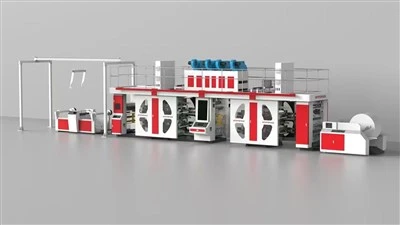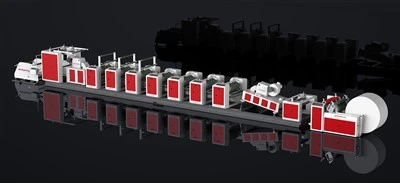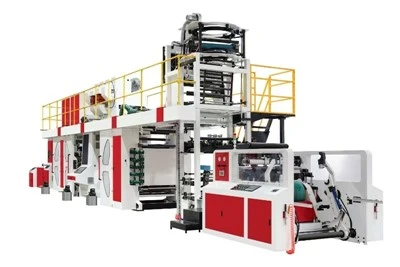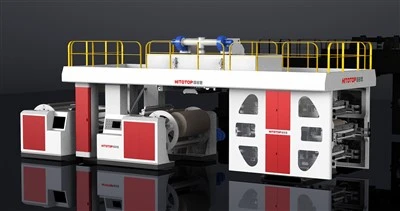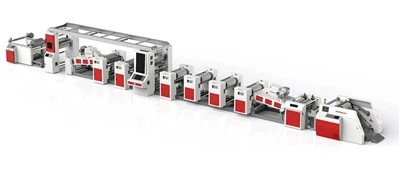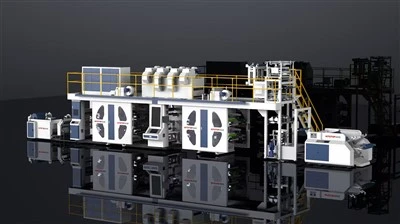

The materials used in flexographic printing presses need to be differentiated from two dimensions: core printing components and printable materials. Specific information is as follows:
Core Component Materials
1. Printing Plates
The core printing plates of flexographic printing presses are mainly made of rubber or soft elastic polymers (photosensitive resin):
Rubber Plates: Divided into natural rubber and synthetic rubber, they are lower in cost but have limited printing durability and precision.
Photosensitive Resin Plates: Primarily composed of high-molecular elastomers (polyurethane, polyester, etc.), they are currently the mainstream material, possessing a soft characteristic with a Shore hardness of 25-60, a resolution of up to 133 lines/inch, and a printing durability exceeding 3 million times, suitable for fine printing needs.
2. Anilox Rollers (Core Inking Components)
Anilox rollers are considered the "heart" of flexographic printing presses. The mainstream material is metal-ceramic, although chrome-plated materials were also used in the past. Ceramic anilox rollers have higher processing precision, with a screen ruling exceeding 800 lines/inch, enabling precise control of ink volume and improving printing stability.
3. Inks
Flexographic printing presses primarily use environmentally friendly inks, which are divided into two categories:
Water-based inks: Low VOC emissions, minimal pollution, widely used in food packaging and corrugated paper printing;
UV inks: Pollution-free, producing vibrant colors and minimal dot gain, primarily used in high-end label and trademark printing.