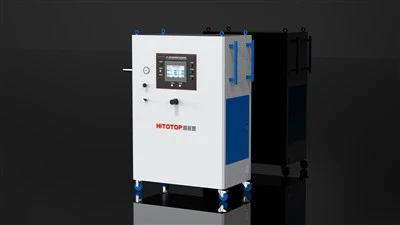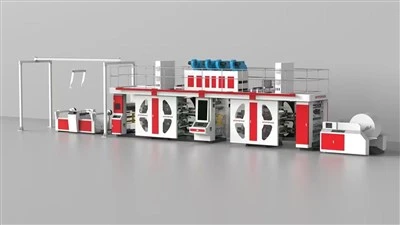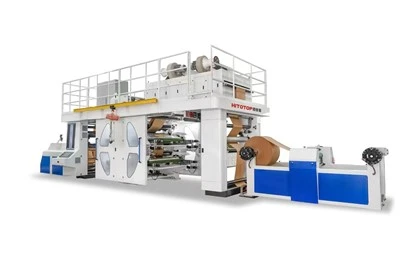


As a supplier of flexo printing machines, transporting these sophisticated pieces of equipment safely is not just a logistical task; it's a responsibility that directly impacts the quality and functionality of the machines upon arrival at their destination. In this blog, I'll share some key steps and considerations to ensure the safe transportation of flexo printing machines.
Pre - transportation Preparation
Before the actual transportation begins, a series of meticulous preparations are necessary. First and foremost, a comprehensive inspection of the flexo printing machine is essential. Check for any loose parts, damaged components, or signs of wear and tear. Tighten all bolts, screws, and connections to prevent them from coming loose during transit.
For instance, in a Flexo Digital Printing Machine, which often has advanced electronic components, ensure that all circuit boards are securely seated, and there are no exposed wires. This type of inspection helps in identifying potential problems early on and taking corrective measures.
Next, it's crucial to clean the machine thoroughly. Remove any ink residues, dust, or debris from the printing cylinders, rollers, and other parts. A clean machine not only reduces the risk of damage during transportation but also makes it easier to assemble and start up at the new location.
Proper documentation is another vital aspect of pre - transportation preparation. Compile a detailed inventory of all the machine's components, including spare parts, tools, and manuals. This inventory will serve as a reference during the loading, unloading, and inspection processes at the destination. Additionally, gather any necessary shipping documents such as bills of lading, customs declarations, and insurance certificates.
Disassembly (if required)
Depending on the size and type of the flexo printing machine, disassembly may be necessary for transportation. For large and complex machines like Central Impression Flexo, disassembly can make the machine more manageable to handle and reduce the risk of damage.
When disassembling the machine, follow the manufacturer's guidelines carefully. Label each part clearly with its name, location, and any assembly instructions. Use appropriate tools to remove components without causing damage. For example, when removing printing cylinders, use lifting equipment designed for the specific weight and size to avoid bending or scratching the cylinders.
Store the disassembled parts in a secure and organized manner. Use packing materials such as foam, bubble wrap, or custom - made cases to protect fragile parts. Keep related parts together and use zip - tied bags or containers to store small components like screws and nuts.
Packaging
Proper packaging is the cornerstone of safe transportation. The packaging should be able to withstand the rigors of handling, stacking, and various environmental conditions during transit.
For the main body of the flexo printing machine, use a wooden crate or a metal container. The crate should be sturdy enough to support the weight of the machine and protect it from impacts and vibrations. Line the inside of the crate with shock - absorbing materials such as foam or rubber pads. Secure the machine inside the crate using straps, ropes, or brackets to prevent it from moving around.
When it comes to electronic components, use anti - static packaging to avoid damage from electrostatic discharge. This is especially important for advanced machines with high - tech control systems. Wrap each component carefully in anti - static bags and place them in a dedicated section of the crate.
For parts like printing cylinders, use custom - made protective sleeves or cases. These should fit the cylinders precisely to prevent them from rubbing against each other or getting scratched.
Loading and Securing
Loading the flexo printing machine onto the transportation vehicle requires careful planning and the right equipment. Use a forklift, crane, or other appropriate lifting devices to move the machine or its components. Ensure that the operators are trained and experienced in handling heavy machinery.
When loading the machine into a truck, container, or freight plane, arrange the parts in a way that distributes the weight evenly. This helps in maintaining the stability of the vehicle during transit and reduces the risk of damage due to uneven weight distribution.
Secure the loaded machine firmly to prevent it from shifting or falling during transportation. Use straps, chains, or bracing to fix the machine in place. For example, if transporting a Stack Flexo Press, which has a vertical stack design, make sure it is properly secured to avoid tipping over.
Transportation Mode Selection
The choice of transportation mode depends on several factors, including the destination, time constraints, and the size and weight of the flexo printing machine.
For local or regional deliveries, road transportation is often the most convenient and cost - effective option. Trucks can provide door - to - door service, and the machine can be delivered directly to the customer's location. However, it's important to choose a reliable shipping company with experience in transporting heavy machinery. They should have well - maintained trucks and trained drivers.
For long - distance or international shipments, a combination of modes may be necessary. For example, the machine can be shipped by sea in a container for overseas destinations. Sea freight is generally more economical for large and heavy items but has a longer transit time. After reaching the port, it can be transported by road to the final destination.
Air freight is the fastest option but is also the most expensive. It is suitable for urgent deliveries or when the machine needs to be delivered to a remote location quickly.
Tracking and Monitoring
Once the flexo printing machine is on its way, it's important to track its progress. Most shipping companies provide online tracking services that allow you to monitor the location of the shipment in real - time. This helps in staying informed about any delays or issues that may arise during transit.
In addition to tracking, some advanced technologies can be used to monitor the condition of the machine during transportation. For example, vibration sensors can be installed on the machine or its packaging to detect excessive shaking or sudden impacts. Temperature and humidity sensors can also be used to ensure that the environmental conditions inside the container remain within the acceptable range for the machine.
Unloading and Installation
Upon arrival at the destination, the unloading process should be carried out as carefully as the loading. Use the same type of lifting equipment as in the loading process and follow all safety procedures. Check the machine and its components against the inventory list to ensure that nothing is missing or damaged.
If the machine was disassembled for transportation, the installation process should be carried out by trained technicians. They should follow the manufacturer's installation instructions precisely to ensure that the machine is installed correctly and functions properly.
Quality Assurance
After the machine is installed, conduct a comprehensive quality check. Test all the functions of the machine, including printing speed, print quality, and registration accuracy. For example, in a 4 Color Flexo Printing Machine, check the color registration and the sharpness of the printed images.
Make sure that all safety features are working correctly. This includes emergency stop buttons, safety guards, and sensors. Address any issues that are identified during the quality check immediately to ensure that the machine is in optimal working condition.


Customer Support
Even after the machine is successfully installed and tested, provide ongoing customer support. Offer training to the customer's operators on how to use and maintain the machine properly. Provide spare parts and technical support as needed to ensure the long - term performance of the machine.
As a supplier of high - quality flexo printing machines, including Plastic Film Flexo Printing Machine, we are committed to providing safe and reliable transportation services. If you are interested in purchasing our flexo printing machines or have any questions about transportation or installation, feel free to contact us to discuss your specific needs.
References
- “Packaging and Shipping of Industrial Machinery.” Industry Standards Publication, 20XX.
- “Guide to Safe Transportation of Heavy Equipment.” Transportation Research Institute, 20XX.