

Hey there! As a supplier of Flexographic Printing Machines, I often get asked about the noise level of these machines. It's a valid concern, especially for those who are planning to set up a printing workshop or are looking to upgrade their existing equipment. In this blog, I'll dive into the details of what the noise level of a Flexographic Printing Machine is, what factors can affect it, and how you can manage it.
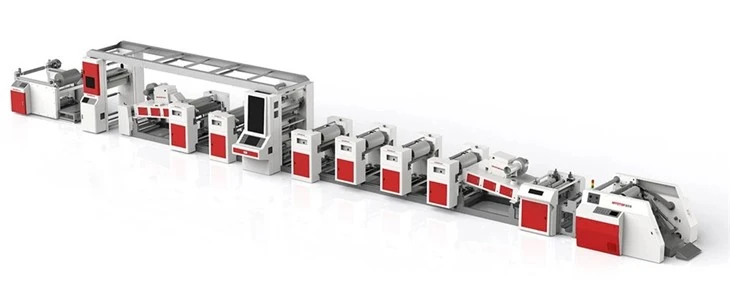

First off, let's talk about what a Flexographic Printing Machine is. It's a type of rotary printing press that uses a flexible relief plate to transfer ink onto a variety of substrates, such as paper, plastic, and cardboard. Flexo printing is widely used in the packaging industry for printing labels, boxes, and bags, thanks to its high-speed production, versatility, and ability to print on different materials.
Now, onto the noise level. The noise level of a Flexographic Printing Machine can vary depending on several factors, including the machine's design, the speed at which it operates, and the type of substrate being printed. On average, a Flexographic Printing Machine can produce noise levels ranging from 70 to 90 decibels (dB). To put it into perspective, 70 dB is about the same as the noise level of a vacuum cleaner, while 90 dB is equivalent to the noise level of a lawnmower.
So, what are the factors that can affect the noise level of a Flexographic Printing Machine? One of the main factors is the machine's design. Older models of Flexographic Printing Machines tend to be noisier than newer models, as they may not have the same level of noise-reducing features. For example, newer machines may have better insulation, vibration dampening, and noise-absorbing materials, which can help to reduce the overall noise level.
Another factor that can affect the noise level is the speed at which the machine operates. Generally speaking, the faster the machine operates, the louder it will be. This is because the moving parts of the machine, such as the cylinders, gears, and motors, generate more noise as they move at higher speeds. If you're looking to reduce the noise level of your Flexographic Printing Machine, you may want to consider operating it at a lower speed.
The type of substrate being printed can also have an impact on the noise level. Some substrates, such as thick cardboard or plastic, may require more pressure to print on, which can result in more noise. On the other hand, thinner substrates, such as paper or film, may require less pressure and therefore produce less noise.
So, how can you manage the noise level of your Flexographic Printing Machine? One of the simplest ways is to use noise-reducing equipment, such as earplugs or earmuffs. These can help to protect your ears from the high noise levels and reduce the risk of hearing damage. You can also consider installing noise-absorbing materials, such as acoustic panels or curtains, in your printing workshop. These can help to absorb the sound waves and reduce the overall noise level.
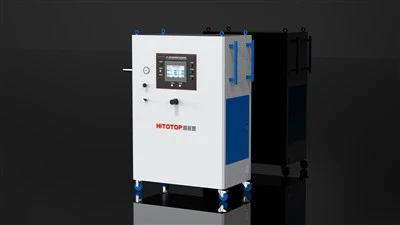
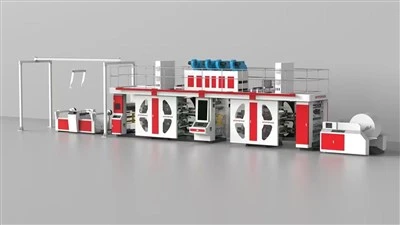
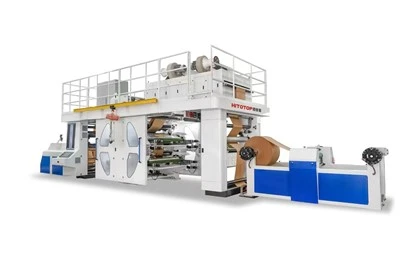
Another option is to choose a Flexographic Printing Machine that has been designed to be quieter. At our company, we offer a range of CI Flexo Printing Press, 6 Colour Flexo Printing Machine, Roll Fed Flexo Press, PP Woven Bag Printing Machine, and Unit Type Printing Machine that have been engineered to minimize noise levels. These machines feature advanced noise-reducing technology, such as insulation, vibration dampening, and noise-absorbing materials, which can help to reduce the overall noise level and provide a more comfortable working environment.
In addition to choosing a quieter machine, you can also take steps to maintain your Flexographic Printing Machine properly. Regular maintenance, such as cleaning, lubrication, and inspection, can help to ensure that the machine is operating smoothly and efficiently, which can also help to reduce the noise level. You should also make sure that the machine is installed on a stable surface and that all the components are properly aligned.
In conclusion, the noise level of a Flexographic Printing Machine can vary depending on several factors, including the machine's design, the speed at which it operates, and the type of substrate being printed. While it's normal for these machines to produce some noise, there are several ways to manage it, such as using noise-reducing equipment, installing noise-absorbing materials, choosing a quieter machine, and maintaining the machine properly.
If you're in the market for a Flexographic Printing Machine and are concerned about the noise level, we'd love to help. Our team of experts can provide you with more information about our range of machines and help you choose the one that's right for your needs. Contact us today to start the conversation about your printing requirements and let's see how we can work together to find the perfect solution.
References
- General knowledge about flexographic printing machines and noise management in industrial settings.
- Manufacturer's specifications and documentation for various flexographic printing machine models.