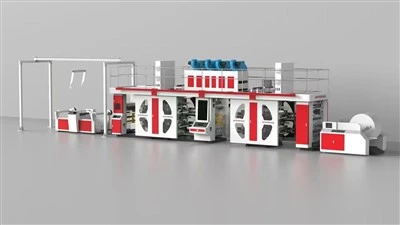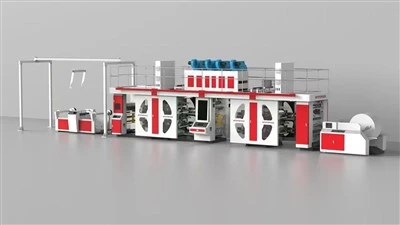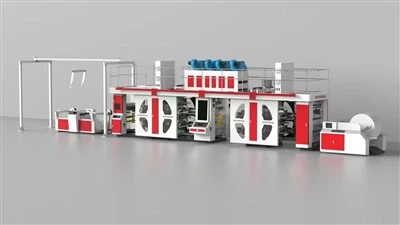


Hey there! As a supplier of Cement Sack Testers, I'm super stoked to chat with you about how these nifty machines can really up the ante when it comes to cement packaging efficiency.
Let's start by getting a clear picture of what a Cement Sack Tester is. It's a specialized piece of equipment designed to evaluate the quality and durability of cement sacks. You see, cement is a heavy and abrasive material, and the sacks that hold it need to be tough enough to withstand the rigors of handling, storage, and transportation. That's where our Cement Sack Tester comes in.
One of the key ways a Cement Sack Tester contributes to efficiency is by ensuring that the sacks meet the required quality standards. Before a batch of cement is packaged, the tester can be used to perform a series of tests on the sacks. These tests can include measuring the tensile strength, burst strength, and abrasion resistance of the sack material. By doing so, we can identify any weak points or defects in the sacks and take corrective action before the cement is filled. This helps to prevent costly product losses due to sack failures during handling or transportation.
For example, if the tensile strength of a sack is too low, it may tear easily when the cement is being filled or lifted. This can lead to spillage and waste, as well as potential safety hazards. By using a Cement Sack Tester to test the tensile strength, we can ensure that the sacks are strong enough to withstand the forces they will be subjected to. Similarly, if the burst strength of a sack is insufficient, it may rupture when the cement is under pressure. This can also result in spillage and damage to the product. The tester allows us to determine the burst strength of the sacks and select the appropriate ones for the specific cement application.
Another important aspect of cement packaging efficiency is the ability to optimize the use of sack materials. By using a Cement Sack Tester, we can evaluate different types of sack materials and determine which ones offer the best combination of strength, durability, and cost. This can help us to reduce the amount of material used in each sack without sacrificing quality. For instance, if a certain type of sack material has a higher tensile strength than another, we may be able to use a thinner gauge of that material, which can save on material costs.
In addition to testing the strength and durability of the sacks, a Cement Sack Tester can also be used to assess other important properties, such as air permeability. Cement needs to breathe to prevent the formation of moisture and clumping. If the sacks are too airtight, the cement may become damp and harden, which can affect its quality and usability. On the other hand, if the sacks are too porous, the cement may leak out. Our PP Bag Air Permeability Tester can accurately measure the air permeability of the sacks, allowing us to select the right ones for the cement.
The efficiency of cement packaging also depends on the ability to handle and transport the sacks safely and effectively. A Cement Sack Tester can help to ensure that the sacks are designed to withstand the handling and transportation processes. For example, it can test the abrasion resistance of the sacks to determine how well they will hold up during rubbing and friction. Our Abrasion Tester for Rub can simulate the real-world conditions that the sacks will encounter during transportation and handling, allowing us to identify any potential issues and make improvements.
Moreover, a Cement Sack Tester can contribute to the overall quality control of the cement packaging process. By regularly testing the sacks, we can monitor the quality of the packaging materials and ensure that they are consistent from batch to batch. This helps to maintain the integrity of the cement product and meet the customer's expectations. It also allows us to detect any changes in the sack materials or manufacturing processes that may affect the quality of the packaging.
Let's not forget about the importance of compliance with industry standards and regulations. Cement packaging is subject to various standards and regulations to ensure the safety and quality of the product. A Cement Sack Tester can help us to ensure that the sacks meet these standards. For example, it can test the sacks for compliance with the relevant safety and performance requirements, such as the maximum allowable leakage rate. By using a tester, we can demonstrate that our packaging meets the necessary standards and avoid any potential legal issues.
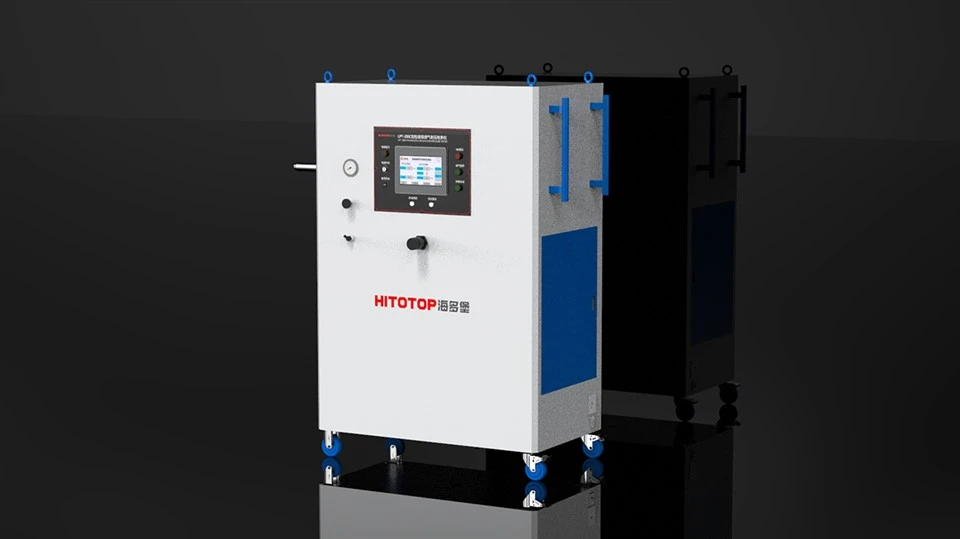

Now, you might be wondering about the different types of tests that a Cement Sack Tester can perform. Well, there are several common tests, including the drop test, the compression test, and the vibration test. The drop test simulates the impact that the sacks may experience when they are dropped during handling or transportation. The compression test measures the ability of the sacks to withstand pressure when they are stacked on top of each other. The vibration test evaluates the stability of the sacks during transportation.
In addition to these standard tests, our Bag-Specific Testing Machine can be customized to perform other specific tests based on the customer's requirements. This flexibility allows us to provide a comprehensive testing solution for cement packaging.
Another factor that affects the efficiency of cement packaging is the type of sack material used. There are different types of sack materials available, such as kraft paper, polypropylene, and woven bags. Each material has its own unique properties and advantages. For example, kraft paper sacks are biodegradable and have good printability, while polypropylene sacks are strong and resistant to moisture. Our Kraft Paper Bag Strength Tester can be used to test the strength of kraft paper sacks, and we can also provide testing solutions for other types of sack materials.
By using a Cement Sack Tester to evaluate the different sack materials, we can select the most suitable one for the specific cement application. This can help to improve the efficiency of cement packaging by reducing the risk of sack failures and ensuring the quality of the product.
In conclusion, a Cement Sack Tester plays a crucial role in the efficiency of cement packaging. It helps to ensure the quality and durability of the sacks, optimize the use of sack materials, and comply with industry standards and regulations. By using a tester, we can reduce product losses, improve the safety and reliability of the packaging, and enhance the overall quality control of the cement packaging process.
If you're involved in the cement packaging industry and are looking for a reliable and efficient way to test your cement sacks, we'd love to hear from you. Our team of experts can provide you with more information about our Cement Sack Tester and other packaging testing solutions. Don't hesitate to reach out to us for a consultation and let's work together to improve the efficiency of your cement packaging.
References:
- Industry standards and regulations related to cement packaging.
- Technical literature on packaging testing equipment.