

What is the maintenance requirement for a High Speed Slitting Machine?
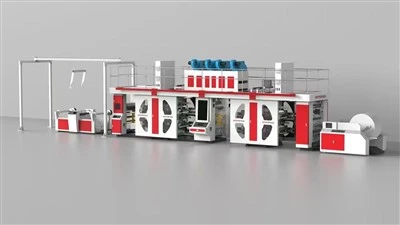
As a proud supplier of high - quality High Speed Slitting Machine, I understand the significance of proper maintenance for these sophisticated pieces of equipment. High - speed slitting machines are essential in various industries, including packaging, paper, and film production. They are designed to cut large rolls of material into smaller, more manageable widths at high speeds. However, to ensure their optimal performance and longevity, specific maintenance requirements must be met.
Regular Cleaning
One of the most fundamental maintenance tasks for a high - speed slitting machine is regular cleaning. During the slitting process, dust, debris, and small particles of the material being cut can accumulate on the machine's components. This build - up can cause several problems, such as reduced cutting accuracy, increased wear and tear on the blades, and even mechanical failures.
To clean the machine, start by turning it off and unplugging it from the power source to prevent any accidents. Use a soft brush or compressed air to remove loose dust and debris from the exterior and interior of the machine. Pay special attention to areas around the cutting blades, rollers, and sensors. For more stubborn dirt, a mild cleaning solution can be used, but make sure to follow the manufacturer's instructions to avoid damaging any sensitive parts.
Blade Maintenance
The cutting blades are the heart of a high - speed slitting machine. Proper blade maintenance is crucial for achieving precise cuts and maximizing the machine's efficiency. Blades should be inspected regularly for signs of wear, such as dullness, chipping, or uneven cutting edges.


When the blades start to show signs of wear, they should be sharpened or replaced promptly. Sharpening the blades can be done in - house if you have the necessary equipment and expertise. However, for more complex blade geometries or if you lack the proper tools, it is advisable to send the blades to a professional sharpening service.
In addition to sharpening and replacement, the blades should be properly lubricated to reduce friction and heat during the cutting process. This not only extends the blade life but also improves the quality of the cuts. Use a lubricant recommended by the machine manufacturer and apply it according to the specified intervals.
Roller Inspection and Adjustment
Rollers play a vital role in the feeding and guiding of the material through the slitting machine. Over time, rollers can become worn, misaligned, or contaminated, which can lead to uneven material feeding, wrinkling, or inaccurate cutting.
Regular inspection of the rollers is necessary to detect any signs of wear or damage. Check for smooth rotation, proper alignment, and any visible signs of surface damage. If the rollers are misaligned, they should be adjusted according to the machine's manual. This may involve loosening and tightening bolts or using specialized adjustment tools.
Contaminated rollers can also cause problems. Use a clean cloth and a suitable cleaning agent to remove any dirt, adhesive, or other residues from the roller surfaces. Make sure to dry the rollers thoroughly before restarting the machine.
Electrical System Maintenance
The electrical system of a high - speed slitting machine is responsible for powering the various components and controlling the machine's operation. Faulty electrical components can lead to machine malfunctions, safety hazards, and even production downtime.
Inspect the electrical wiring regularly for signs of damage, such as fraying, cracking, or loose connections. Any damaged wiring should be repaired or replaced immediately by a qualified electrician. Check the electrical panels, switches, and sensors for proper functioning. Clean the electrical contacts to prevent corrosion, which can cause poor electrical conductivity.
It is also important to perform regular checks on the machine's control system. Ensure that the control software is up - to - date and that all the settings are correct. Calibrate the sensors and controls periodically to maintain accurate operation.
Lubrication of Mechanical Components
High - speed slitting machines have many moving mechanical components, such as gears, bearings, and chains. Proper lubrication of these components is essential to reduce friction, prevent wear, and ensure smooth operation.
Refer to the machine's manual to determine the appropriate lubricants and lubrication intervals for each component. Over - lubrication can also be a problem, as it can attract dust and debris, leading to clogging and increased wear. Use the correct amount of lubricant and apply it evenly to the designated areas.
Belt and Chain Tensioning
Belts and chains are commonly used in high - speed slitting machines to transfer power between different components. Over time, belts and chains can stretch, causing a loss of tension. This can result in slipping, reduced power transmission, and inaccurate machine operation.
Regularly check the tension of the belts and chains. If they are too loose, they should be tightened according to the manufacturer's specifications. If the belts or chains are worn or damaged beyond repair, they should be replaced.
Operator Training and Safety
Proper maintenance of a high - speed slitting machine also depends on well - trained operators. Operators should be trained on the correct operation of the machine, as well as the importance of regular maintenance. They should be able to identify early signs of problems and report them immediately.
In addition to training, safety is of utmost importance when operating a high - speed slitting machine. Provide operators with appropriate personal protective equipment (PPE), such as safety glasses, gloves, and ear protection. Ensure that all safety guards and devices are in place and functioning correctly.
Our Product Range
We offer a wide range of slitting machines to meet the diverse needs of our customers. In addition to our High Speed Slitting Machine, we also provide Slitting Rewinding Machine, which combines the slitting and rewinding functions for increased efficiency. Our Valve Bag Printing Slitting Machine is designed specifically for printing and slitting valve bags, while the PP Woven Valve Bag Slitter Rewinder is ideal for processing PP woven valve bags. For those in need of high - speed flexo printing and slitting capabilities, our High Speed Flexo Printing Slitting Machine is the perfect choice.
Conclusion
Maintaining a high - speed slitting machine is a comprehensive task that requires attention to detail and regular upkeep. By following the maintenance requirements outlined above, you can ensure that your slitting machine operates at its best, delivering high - quality cuts and maximizing productivity.
If you are in the market for a high - speed slitting machine or need assistance with the maintenance of your existing equipment, we are here to help. Our team of experts can provide you with the necessary guidance and support to make the right choice for your business. Contact us for more information and to start a discussion about your procurement needs.
References
- Manufacturer's manual for high - speed slitting machines
- Industry best practices for slitting machine maintenance
- Technical literature on electrical and mechanical systems in industrial machinery