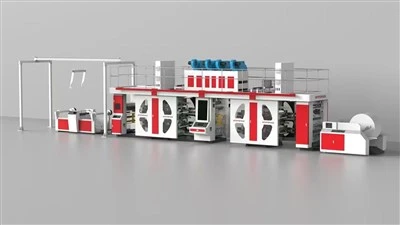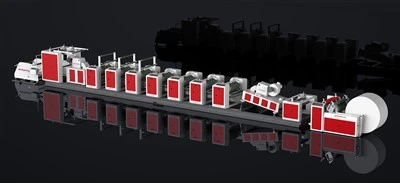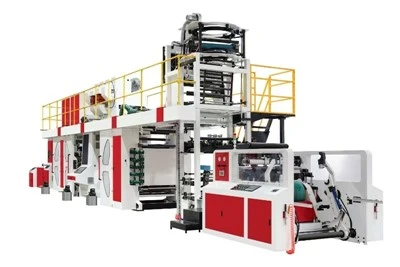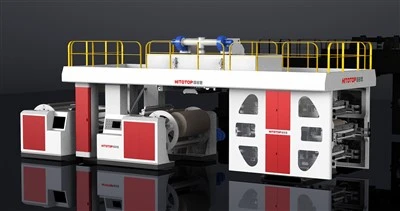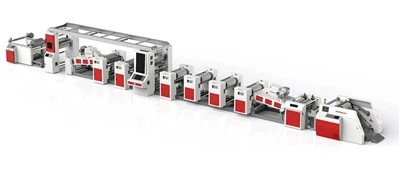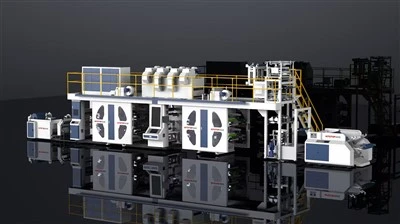

The maintenance and care of flexographic printing presses should follow the principles of prevention first, daily inspection, and regular maintenance. It can be divided into three parts: daily maintenance, regular maintenance, and maintenance for common malfunctions.
Specific details are as follows:
Daily Maintenance (Before/During/After Each Shift)
Daily maintenance is the foundation for reducing malfunctions and ensuring print quality. It must be strictly performed according to the procedure:
Pre-Shift Inspection (15 minutes before startup)
Check the emergency stop, photoelectric protection, and safety door for effectiveness and reliable grounding; confirm that the ink system level is normal, the pipeline is unblocked, and the ink/water rollers are clean and undamaged; clean paper scraps and debris from the paper feeding/collecting area; check that the suction nozzles and blow nozzles are unobstructed and the chain belt tension is appropriate; confirm that the roller surface is free of foreign objects, pressure parameters are normal, check that the oil levels at key lubrication points are normal, and that there are no alarms in the electrical cabinet.

Inter-shift Inspection (Every 1-2 hours during operation)
Listen to the equipment's operating sounds to confirm there are no abnormal noises such as impacts or friction; observe the printed products for proper registration and ink color, and ensure there is no abnormal vibration or overheating in any components; under safe conditions, perform a touch inspection to confirm that the motor and bearing temperatures do not exceed 60℃ and there are no leaks; record any abnormal parameters and the results of handling minor faults in real time.
Post-shift Cleaning and Tidying (30 minutes after shutdown)
Thoroughly clean the ink fountain, ink rollers, and doctor blades to prevent residual ink from drying; clean the water fountain and water rollers to remove scale and crystals; clean all rollers, and loosen the pressure on the rubber blanket after cleaning; clear debris from the paper feeding and receiving areas, and clean and unclog the powder spraying device.