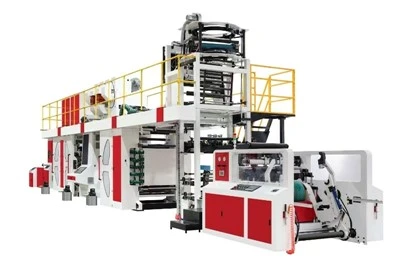


As a seasoned provider of packaging testing equipment, I've often been asked whether our tools can assess the anti - slip performance of packaging. This question is crucial for many industries, as the safety and handling of packaged products depend on their anti - slip characteristics. In this blog, I'll delve into the capabilities of our packaging testing equipment in evaluating anti - slip performance, the importance of such testing, and the various methods we offer.
The Significance of Anti - Slip Performance in Packaging
Before we explore the testing capabilities, it's essential to understand why anti - slip performance matters in packaging. In warehouses, distribution centers, and retail environments, packages are constantly being moved, stacked, and handled. Without adequate anti - slip properties, packages can easily slide, leading to a range of problems.
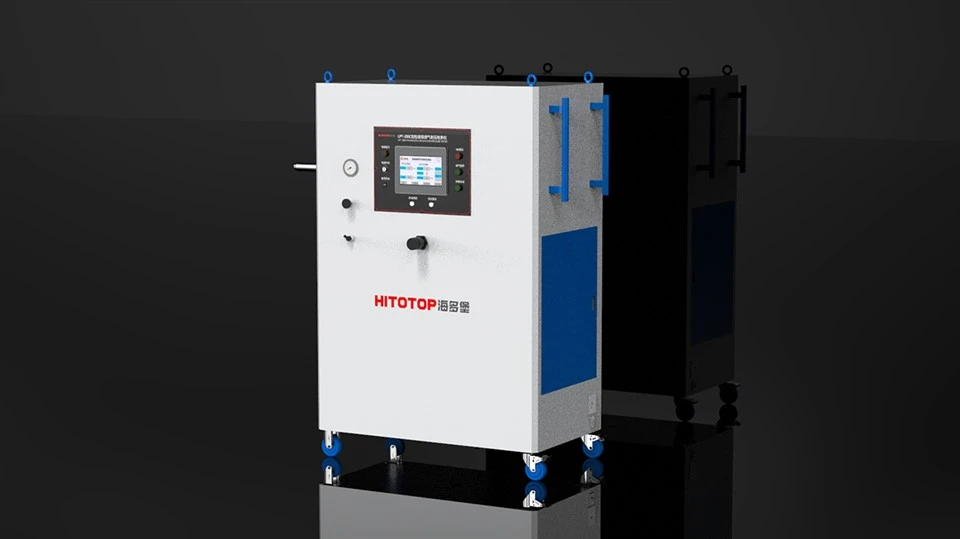
In a warehouse setting, sliding packages can cause unstable stacking, increasing the risk of collapses. This not only endangers workers but also leads to product damage. In retail, packages that slip on shelves can create a messy display, reducing the visual appeal of the products. Moreover, for consumer - level products, a slippery package can be difficult to hold, potentially causing the item to drop and break.
Can Our Packaging Testing Equipment Test Anti - Slip Performance?
The answer is a resounding yes. Our packaging testing equipment is designed to comprehensively evaluate the anti - slip performance of various packaging materials and designs. We offer a range of methods and tools that simulate real - world conditions to accurately assess how well a package resists slipping.
Friction Testing
One of the primary ways we test anti - slip performance is through friction testing. Friction is the force that opposes the relative motion of two surfaces in contact. In the context of packaging, a higher coefficient of friction indicates better anti - slip properties.
Our testing equipment measures the coefficient of friction between the packaging surface and a standardized contact material. This can be done in both static and dynamic conditions. Static friction testing determines the force required to initiate motion between the package and the contact surface, while dynamic friction testing measures the force needed to keep the package moving.
For instance, our Abrasion Tester for Rub can be used to simulate the wear and tear on the packaging surface that may affect its anti - slip properties. As the packaging is rubbed against a specific abrasive material, the change in the friction coefficient can be monitored over time. This helps manufacturers understand how the anti - slip performance of their packaging holds up under normal use conditions.
Surface Roughness Analysis
The surface roughness of a package also plays a significant role in its anti - slip performance. A rougher surface generally provides more grip. Our equipment can conduct surface roughness analysis to quantify the texture of the packaging material.
Using advanced sensors, we measure parameters such as the average roughness (Ra), maximum roughness height (Rz), and other surface texture characteristics. These measurements give us an indication of how well the packaging surface can interlock with other surfaces, providing better traction.
Wet Conditions Testing
In many real - world scenarios, packages may come into contact with moisture, which can significantly reduce their anti - slip properties. Our packaging testing equipment can simulate wet conditions to assess how the anti - slip performance of packages changes when exposed to water.
We have specialized chambers where we can spray water onto the packaging samples at controlled rates and intensities. After the samples are wetted, we conduct friction and other anti - slip tests to determine the impact of moisture on their performance. This is particularly important for products that may be stored or transported in humid environments or are likely to be exposed to water during handling.
Different Types of Packaging and Anti - Slip Testing
Our packaging testing equipment is versatile and can be used to test a wide range of packaging types, each with its own unique requirements for anti - slip performance.
Paper - Based Packaging
Paper and cardboard are commonly used for packaging various products. For Kraft Paper Bag Strength Tester, anti - slip performance is crucial, especially when they are filled with heavy items. Our equipment can test the anti - slip properties of the paper surface, as well as the seams and closures of the bags. We can evaluate how the anti - slip performance changes with different paper weights, surface finishes, and treatments.
Cement Sacks
Cement sacks are often handled in large quantities and need to have excellent anti - slip properties to ensure safe stacking and transportation. Our Cement Sack Tester can specifically test the anti - slip performance of cement sacks under different loads and conditions. We can simulate the pressure and movement that cement sacks experience during handling and storage to ensure they meet the required safety standards.
PP Bags
PP (polypropylene) bags are widely used in the food, agricultural, and industrial sectors. The PP Bag Air Permeability Tester can also be used in conjunction with anti - slip testing. The air permeability of the bag can affect its surface characteristics and, in turn, its anti - slip performance. Our equipment can test how the anti - slip properties of PP bags change with different air permeability levels and surface treatments.
Specialized Bags
For more specialized packaging, such as those used for high - value or delicate items, our Bag - Specific Testing Machine can be customized to test their anti - slip performance. These bags may have unique designs or materials, and our equipment can be adjusted to accurately evaluate their specific anti - slip requirements.
The Benefits of Using Our Packaging Testing Equipment for Anti - Slip Testing
Quality Assurance
By using our equipment to test the anti - slip performance of packaging, manufacturers can ensure that their products meet the highest quality standards. This helps in reducing the risk of product recalls, customer complaints, and potential legal issues related to safety.
Product Development
Our testing results can provide valuable insights for product development teams. They can use the data to optimize the design and materials of the packaging to improve its anti - slip performance. For example, they can experiment with different surface treatments or textures to achieve the desired level of friction.
Cost - Effectiveness
Investing in our packaging testing equipment can be cost - effective in the long run. By identifying and addressing anti - slip issues early in the production process, manufacturers can avoid costly rework, product damage, and lost sales.
Contact Us for Anti - Slip Packaging Testing Solutions
If you're interested in learning more about our packaging testing equipment and how it can help you test the anti - slip performance of your packaging, we're here to assist you. Our team of experts can provide detailed information about the testing methods, equipment specifications, and how they can be tailored to your specific needs.
Whether you're a small - scale manufacturer or a large - scale enterprise, our packaging testing equipment can offer reliable and accurate results. Contact us today to start a conversation about your anti - slip packaging testing requirements. We look forward to working with you to ensure the safety and quality of your packaged products.
References
- ASTM International. (20XX). Standard test methods for measuring the coefficient of friction of plastic film and sheeting.
- ISO. (20XX). International standard for surface roughness measurement.
- Packaging Machinery Manufacturers Institute. (20XX). Guidelines for packaging safety and performance testing.