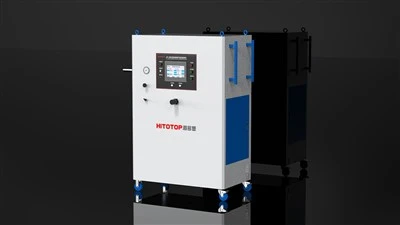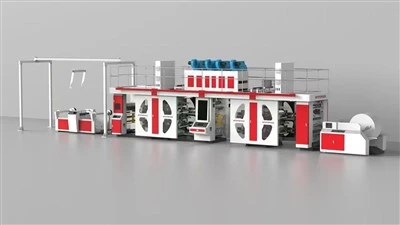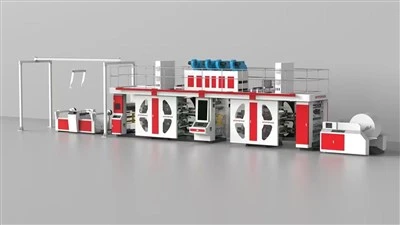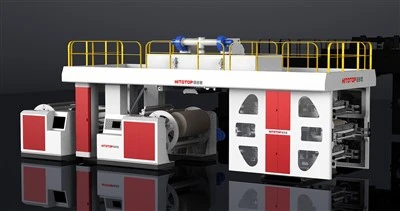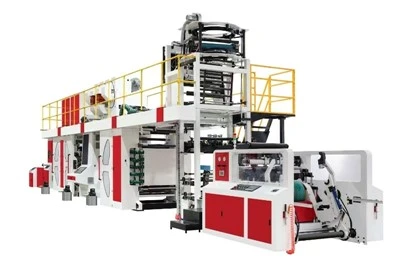


Hey there! As a supplier of Flexographic Printing Machines, I know how important it is to ensure the safety of operators when using these machines. Flexo printing machines are super useful in the printing industry, but like any piece of heavy - duty equipment, they come with potential risks. In this blog, I'll share some tips on how to keep those operators safe.
First off, let's talk about proper training. You can't just hand someone the keys and say, "Go print!" It's crucial that all operators get thorough training before they even touch the Plastic Film Flexo Printing Machine. This training should cover everything from the basic operation of the machine to understanding all the safety features.


One of the key components of safety training is learning about the machine's controls. Operators need to know what each button and lever does, and more importantly, how to use them safely. For instance, the emergency stop button is not just another button. It's a life - saver in case something goes wrong. Make sure operators know exactly where it is and when to use it.
Another aspect of training is understanding the different types of materials that can be used in the flexo printing process. Some materials might be flammable or have other chemical properties that require special handling. Operators should be trained on how to store, load, and unload these materials safely.
Now, let's move on to machine maintenance. A well - maintained Digital Flexo Printing Machine is a safe machine. Regular maintenance checks should be carried out to ensure that all parts are in good working condition. This includes checking the belts, rollers, and gears for any signs of wear and tear. If any parts are damaged, they should be replaced immediately.
Lubrication is also a big deal. Proper lubrication of moving parts reduces friction, which in turn reduces the risk of overheating and mechanical failures. Operators should be trained on how to lubricate the machine correctly and how often it needs to be done.
Safety guards are another essential part of ensuring operator safety. All flexo printing machines should be equipped with appropriate safety guards. These guards prevent operators from coming into contact with moving parts, such as rollers and gears. They also act as a barrier against flying debris. Make sure the guards are in place at all times and that they are in good condition. If a guard is damaged or removed for some reason, the machine should not be operated until it has been repaired or replaced.
Personal protective equipment (PPE) is a must for all operators. This includes things like safety glasses, gloves, and ear protection. Safety glasses protect the eyes from ink splashes, flying debris, and any potential chemical splashes. Gloves help protect the hands from sharp edges and hot surfaces. And ear protection is necessary because flexo printing machines can be quite noisy.
Operator fatigue is something that often gets overlooked but can have a big impact on safety. Long hours of operating a Stack Flexo Press can lead to tiredness, which in turn can cause mistakes. Make sure that operators are given regular breaks to rest and recharge. A well - rested operator is a safer operator.
In addition to physical safety, we also need to consider chemical safety. Flexo printing involves the use of inks, solvents, and other chemicals. These chemicals can be harmful if not handled properly. Operators should be trained on how to handle these chemicals safely, including how to store them, how to use them, and how to clean up any spills.
Ventilation is crucial when working with chemicals. The work area should be well - ventilated to prevent the build - up of harmful fumes. If necessary, exhaust fans or ventilation systems should be installed to ensure that the air in the work area is clean.
Safety protocols and procedures should be clearly posted in the work area. This includes things like emergency procedures, lock - out/tag - out procedures, and the proper way to perform maintenance. Operators should be familiar with these protocols and should follow them at all times.
Lock - out/tag - out is a particularly important safety procedure. Before performing any maintenance or cleaning on the machine, operators should lock out the power source and tag it to indicate that the machine is being serviced. This prevents accidental start - up of the machine while someone is working on it.
Another thing to consider is the layout of the work area. The work area around the Ci Flexo Machine should be clean and organized. There should be enough space for operators to move around safely without any obstructions. Tools and materials should be stored in designated areas to prevent tripping hazards.
Regular safety inspections should be carried out in the work area. These inspections can help identify any potential safety hazards before they cause an accident. The inspections should cover everything from the machine itself to the surrounding work area.
Communication is also key. Operators should feel comfortable communicating any safety concerns or issues they notice. This could be something as simple as a funny noise coming from the machine or a potential hazard in the work area. Management should encourage open communication and take immediate action to address any concerns.
Finally, let's talk about fire safety. Since flexo printing machines use inks and solvents, there is a risk of fire. Fire extinguishers should be readily available in the work area, and operators should be trained on how to use them. The work area should also be free of any potential fire hazards, such as flammable materials stored too close to the machine.
In conclusion, ensuring the safety of operators when using a flexographic printing machine is a multi - faceted process. It involves proper training, regular maintenance, the use of safety guards and PPE, and the implementation of clear safety protocols. By following these tips, you can create a safer work environment for your operators.
If you're in the market for a high - quality Roll Fed Flexo Press or any other type of flexo printing machine, and you're interested in learning more about our safety features and how we prioritize operator safety, we'd love to hear from you. Contact us to start a conversation about your printing needs and how we can help you.
References
- Industry best practices for flexographic printing machine operation.
- Occupational safety guidelines for printing industry equipment.