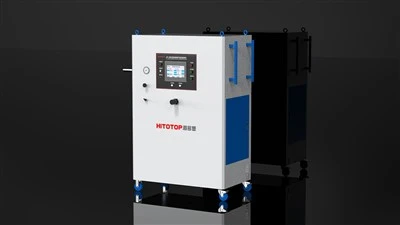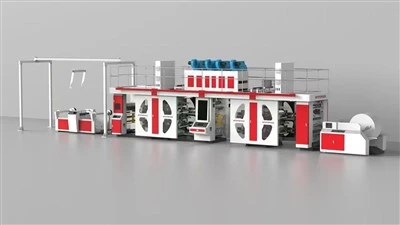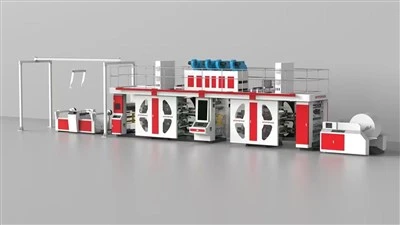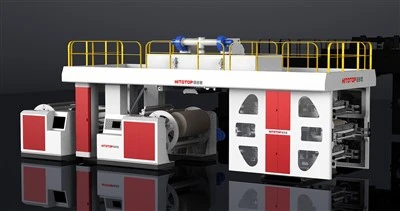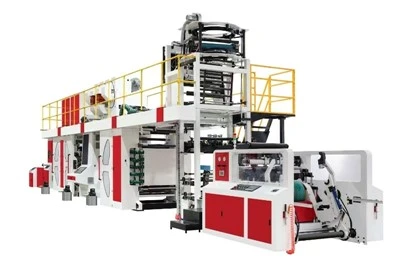


Hey there! As a supplier of Non Woven Slitting Machines, I know how crucial it is to talk about safety precautions for operators. These machines are super useful in the non - woven industry, but like any heavy machinery, they come with risks. So, let's dive right into what operators should keep in mind to stay safe while using a Non Woven Slitting Machine.
Pre - operation Checks
Before you even think about starting the machine, there are a bunch of pre - operation checks you gotta do. First off, take a good look at the machine's physical condition. Check for any visible damage to the frame, belts, or blades. If you spot anything like a crack in the frame or a frayed belt, don't start the machine. Instead, report it right away. You can find some great machines like Slitting Rewinding Machine on our website, and they all go through rigorous quality checks, but still, on - site inspections are a must.
Next, make sure all the safety guards are in place and in good working condition. These guards are there for a reason – to protect you from moving parts. If a guard is loose or missing, it's a huge safety hazard. Also, check the emergency stop button. Press it to see if it works properly. If it doesn't, get it fixed immediately.
The electrical connections are another important thing to check. Look for any exposed wires or loose plugs. Faulty electrical connections can lead to electric shocks or even fires. And don't forget to check the grounding of the machine. A proper ground connection helps prevent static electricity build - up, which can be dangerous.
Personal Protective Equipment (PPE)
Wearing the right PPE is non - negotiable when operating a Non Woven Slitting Machine. First up is safety glasses. These protect your eyes from flying debris, like small pieces of non - woven material or dust. You don't wanna end up with something in your eye while the machine is running, trust me.
Gloves are also essential. They protect your hands from cuts and abrasions. But make sure you choose the right type of gloves. Some gloves might get caught in the machine's moving parts, so go for gloves that are specifically designed for machine operation.
Ear protection is a must too. These machines can be pretty noisy, and prolonged exposure to loud noise can cause hearing damage. So, wear earplugs or earmuffs to keep your ears safe.
And let's not forget about safety shoes. They protect your feet from heavy objects that might accidentally fall on them. Plus, they usually have slip - resistant soles, so you're less likely to trip and fall around the machine.
Operating the Machine
When you're actually operating the Non Woven Slitting Machine, there are some key things to keep in mind. First, always follow the manufacturer's operating instructions. These instructions are there for a reason – to ensure the machine works properly and safely. If you're not sure about something in the instructions, don't just guess. Ask someone who knows, like a supervisor or a more experienced operator.
Keep your hands and other body parts away from the cutting blades and other moving parts. It might seem obvious, but you'd be surprised how many accidents happen because someone got too close. Use the machine's built - in tools or fixtures to handle the non - woven material instead of your hands.
Don't overload the machine. Each machine has a maximum capacity, and if you try to push it beyond that, it can lead to malfunctions and accidents. Make sure you know the machine's capacity and stick to it.
Also, don't make any adjustments to the machine while it's running. If you need to change something, like the cutting width or the tension of the material, stop the machine first. This might seem like a hassle, but it's much safer than trying to make adjustments on the fly.
Maintenance and Cleaning
Regular maintenance and cleaning of the Non Woven Slitting Machine are crucial for both safety and performance. When it comes to maintenance, follow the recommended maintenance schedule. This usually includes things like lubricating the moving parts, checking the alignment of the blades, and tightening any loose screws.
For cleaning, make sure the machine is turned off and unplugged before you start. Use a soft brush or a vacuum cleaner to remove any dust or debris from the machine. Avoid using water or other liquids unless the machine's manual specifically says it's okay.
If you notice any problems during maintenance or cleaning, like unusual noises or vibrations, don't ignore them. Report them right away so that they can be fixed before the next operation.
Training and Supervision
Proper training is essential for anyone operating a Non Woven Slitting Machine. New operators should go through a comprehensive training program that covers everything from the machine's basic operation to safety procedures. This training should be hands - on, so operators get a chance to practice using the machine in a safe environment.
Even experienced operators should get refresher training from time to time. The industry is always evolving, and new safety procedures and technologies might be introduced.
Supervision is also important, especially for new operators. A supervisor can keep an eye on the operator's work, make sure they're following the safety procedures, and provide immediate feedback if something goes wrong.
Emergency Situations
Despite all the precautions, emergencies can still happen. That's why it's important to know what to do in case of an emergency. First, know the location of the emergency stop button and how to use it. If something goes wrong, press the emergency stop button right away to stop the machine.
In case of a fire, know the location of the fire extinguishers and how to use them. Different types of fires require different types of extinguishers, so make sure you're familiar with the ones in your workplace.


If there's an injury, have a first - aid kit nearby and know how to use it. And don't forget to call for medical help as soon as possible.
Conclusion
So, there you have it – all the safety precautions that operators should take when using a Non Woven Slitting Machine. Safety should always be the top priority, whether you're using a High Speed Slitting Machine, High Speed Flexo Printing Slitting Machine, PP Woven Valve Bag Slitter Rewinder, or Valve Bag Printing Slitting Machine.
If you're in the market for a high - quality Non Woven Slitting Machine or have any questions about safety and operation, don't hesitate to reach out. We're here to provide you with the best machines and support to keep your operations running smoothly and safely.
References
- General safety guidelines for industrial machinery.
- Manufacturer's manuals for Non Woven Slitting Machines.