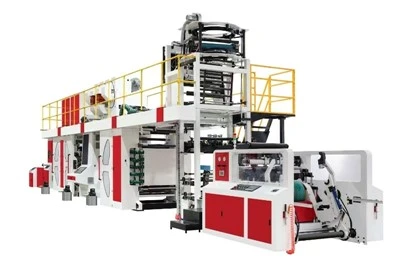


What is the Printing Speed of a CI Printing Machine?
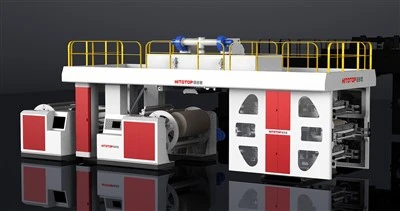
As a supplier of CI (Central Impression) Printing Machines, I often get asked about the printing speed of these remarkable pieces of equipment. The printing speed of a CI printing machine is a crucial factor that can significantly impact production efficiency, cost - effectiveness, and overall business performance. In this blog, I will delve into the details of what determines the printing speed of a CI printing machine, the typical speed ranges, and how it compares to other types of printing machines.
Factors Affecting the Printing Speed of a CI Printing Machine
-
Mechanical Design and Build Quality
The mechanical design of a CI printing machine plays a vital role in determining its printing speed. A well - engineered machine with high - quality components can handle high - speed operations more smoothly. For example, the precision of the cylinders, the smoothness of the paper feed system, and the stability of the frame all contribute to the machine's ability to print at a faster pace. A CI printing machine with a rigid frame and precisely machined cylinders can maintain accurate registration even at high speeds, reducing the need for frequent adjustments and downtime. -
Printing Technology and Ink System
The type of printing technology used in a CI printing machine also affects its speed. Modern CI printing machines often use advanced flexographic printing technology, which allows for fast and efficient printing. The ink system is another important factor. A high - performance ink system can ensure quick drying of the ink, enabling the machine to print at a faster rate. For instance, UV - curable inks dry almost instantly under UV light, allowing for higher printing speeds compared to traditional solvent - based inks. -
Substrate and Print Complexity
The type of substrate being printed on and the complexity of the print job can significantly impact the printing speed. Printing on a smooth and uniform substrate, such as high - quality paper or film, generally allows for faster printing speeds compared to rough or uneven substrates. Additionally, print jobs with simple designs and fewer colors can be printed at a faster pace than those with complex patterns and multiple colors. For example, a single - color logo print on a smooth plastic film can be printed much faster than a multi - color, detailed image on a textured paper.

Typical Printing Speed Ranges of CI Printing Machines
The printing speed of CI printing machines can vary widely depending on the factors mentioned above. Generally, CI printing machines can achieve speeds ranging from 100 to 600 meters per minute.
- Low - end CI Printing Machines: These machines typically have a printing speed of around 100 - 200 meters per minute. They are often suitable for small - scale production or for printing jobs that require a high level of precision and detail. For example, a small - business owner who produces custom - printed labels may choose a low - end CI printing machine to ensure high - quality prints.
- Mid - range CI Printing Machines: Mid - range CI printing machines can print at speeds between 200 - 400 meters per minute. These machines offer a good balance between speed and quality, making them suitable for medium - scale production. They are commonly used in industries such as packaging, where a large volume of prints is required but quality cannot be compromised.
- High - end CI Printing Machines: The high - end CI printing machines can reach speeds of up to 600 meters per minute or even higher. These machines are designed for large - scale production and are often used by major packaging companies and printing houses. They are capable of handling high - volume print jobs with high efficiency, reducing production time and costs.
Comparison with Other Types of Printing Machines
When comparing the printing speed of CI printing machines with other types of printing machines, it is important to consider the specific requirements of the print job.
- Digital Flexo Printing Machine: Digital flexo printing machines offer high - quality prints with the flexibility of digital technology. While they can achieve relatively high speeds, they may not match the speed of CI printing machines in large - scale production. You can learn more about Digital Flexo Printing Machine.
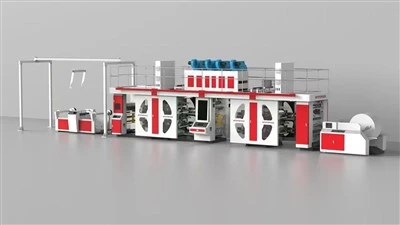
- Central Impression Flexo: Central Impression Flexo machines are similar to CI printing machines in terms of their design and functionality. However, the specific printing speed can vary depending on the model and manufacturer. For more information about Central Impression Flexo.
- 6 Colour Flexo Printing Machine: A 6 Colour Flexo Printing Machine is designed to print with six colors, which can add complexity to the print job. While it can achieve good speeds, the need to manage multiple colors may slow down the overall printing process compared to a CI printing machine, especially for high - volume jobs.
- Unit Type Printing Machine: Unit type printing machines have a different design compared to CI printing machines. They may have limitations in terms of speed and registration accuracy, especially when compared to high - end CI printing machines. Check out Unit Type Printing Machine for more details.
- Flexo Printing Machine 6 Colour: Similar to the 6 - colour flexo printing machine, a Flexo Printing Machine 6 Colour can offer high - quality prints but may have speed limitations due to the complexity of handling six colors.
Importance of Printing Speed in Business
The printing speed of a CI printing machine is of great importance in business. A faster printing speed means that more products can be produced in a shorter period of time, increasing productivity and reducing production costs. This can give businesses a competitive edge in the market, allowing them to meet customer demands more quickly and efficiently.
For example, in the packaging industry, where time - to - market is crucial, a high - speed CI printing machine can enable companies to produce packaging materials in a timely manner, ensuring that products reach the shelves faster. In addition, faster printing speeds can also reduce labor costs, as fewer operators are required to produce the same volume of prints.
Choosing the Right CI Printing Machine Based on Speed
When choosing a CI printing machine, it is important to consider your specific production requirements. If you have a high - volume production need, a high - end CI printing machine with a fast printing speed may be the best choice. However, if you have a small - scale operation or require high - precision prints, a low - or mid - range CI printing machine may be more suitable.
It is also important to consider other factors such as the quality of the prints, the cost of the machine, and the after - sales service. A reliable supplier can provide valuable advice and support to help you choose the right CI printing machine for your business.
Conclusion
The printing speed of a CI printing machine is a complex topic that is influenced by various factors such as mechanical design, printing technology, substrate, and print complexity. Understanding these factors can help you make an informed decision when choosing a CI printing machine for your business.
If you are interested in learning more about our CI printing machines or would like to discuss your specific printing needs, we encourage you to contact us for a procurement discussion. We are committed to providing high - quality printing solutions that meet your requirements and help you achieve your business goals.
References
- "Flexographic Printing Technology" by John Smith
- "Printing Machinery Handbook" by David Brown