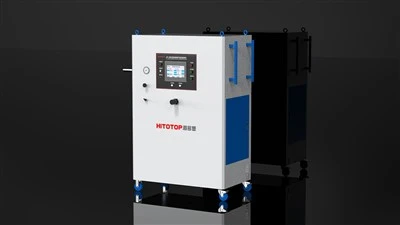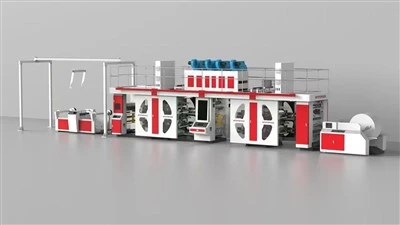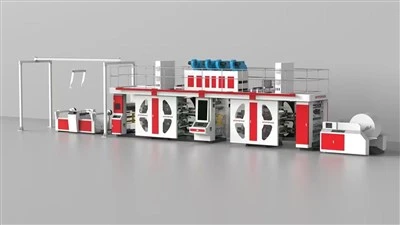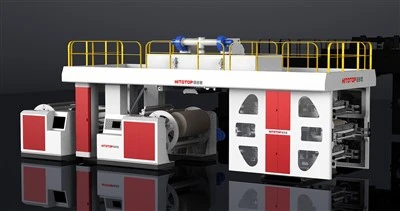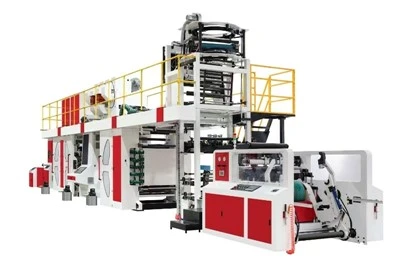


Vibration in a slitting rewinding machine can lead to a multitude of problems, including reduced product quality, increased wear and tear on machine components, and even safety hazards. As a supplier of Slitting Rewinding Machine, we understand the significance of minimizing vibration to ensure optimal machine performance and longevity. In this blog post, we will explore various strategies and techniques to reduce the vibration of a slitting rewinding machine.
Understanding the Causes of Vibration
Before delving into the solutions, it is essential to understand the root causes of vibration in a slitting rewinding machine. Some of the common causes include:
- Unbalanced Rotating Parts: Rotating components such as shafts, rollers, and blades can become unbalanced over time due to wear and tear, improper installation, or the accumulation of debris. This imbalance can result in significant vibration during operation.
- Loose or Worn-out Components: Loose bolts, nuts, and other fasteners can cause the machine to vibrate as they allow for excessive movement and play. Worn-out bearings, gears, and belts can also contribute to vibration by introducing play and misalignment.
- Resonance: Resonance occurs when the natural frequency of the machine or its components coincides with the excitation frequency generated during operation. This can lead to excessive vibration and potentially damage the machine.
- Incorrect Machine Setup: Improper tensioning of belts and rollers, incorrect alignment of cutting blades, and uneven distribution of the load can all contribute to vibration in the machine.
Strategies to Reduce Vibration
Balancing Rotating Parts
One of the most effective ways to reduce vibration is to ensure that all rotating parts are properly balanced. This can be achieved through the following steps:
- Regular Maintenance: Schedule regular maintenance checks to inspect the condition of rotating components and identify any signs of imbalance. Replace worn-out parts promptly to prevent further vibration.
- Dynamic Balancing: Dynamic balancing involves measuring the vibration of a rotating part during operation and adding or removing weight to achieve balance. This process should be performed by a qualified technician using specialized equipment.
- Use of Balanced Components: When replacing rotating parts, opt for components that are pre-balanced to minimize the risk of vibration.
Tightening and Securing Components
Loose or worn-out components can significantly contribute to vibration in a slitting rewinding machine. To address this issue, follow these steps:
- Regular Inspections: Conduct routine inspections to check the tightness of bolts, nuts, and other fasteners. Tighten any loose components immediately to prevent further vibration.
- Replace Worn-out Components: Worn-out bearings, gears, and belts should be replaced promptly to reduce play and misalignment, which can lead to vibration.
- Use of Anti-Vibration Mounts: Anti-vibration mounts can be installed under the machine to absorb and dampen vibration. These mounts are available in various materials and configurations and can be selected based on the specific requirements of the machine.
Avoiding Resonance
Resonance can cause excessive vibration and damage to the machine. To avoid resonance, consider the following strategies:
- Change the Excitation Frequency: The excitation frequency generated during operation can be changed by adjusting the speed of the machine or the frequency of the power supply. By altering the excitation frequency, the risk of resonance can be minimized.
- Modify the Machine Design: The design of the machine can be modified to change its natural frequency and avoid resonance. This may involve adding or removing mass, changing the stiffness of components, or altering the geometry of the machine.
- Use of Damping Devices: Damping devices such as shock absorbers and vibration isolators can be installed on the machine to absorb and dissipate energy, reducing the amplitude of vibration.
Correct Machine Setup
Proper machine setup is crucial for reducing vibration. Follow these guidelines to ensure that the machine is set up correctly:


- Tension Adjustment: Ensure that the tension of belts and rollers is adjusted correctly to prevent slippage and excessive vibration. Use a tension meter to measure the tension and make adjustments as necessary.
- Alignment of Cutting Blades: The cutting blades should be properly aligned to ensure a clean and precise cut. Misaligned blades can cause uneven cutting forces, which can lead to vibration.
- Load Distribution: Ensure that the load is evenly distributed across the machine to prevent uneven stress and vibration. This may involve adjusting the position of the material being processed or using additional support structures.
Additional Tips for Reducing Vibration
Operator Training
Proper operator training is essential for reducing vibration in a slitting rewinding machine. Operators should be trained on the correct operation and maintenance procedures, including how to identify and address vibration issues. They should also be aware of the importance of following safety guidelines to prevent accidents and injuries.
Monitoring and Analysis
Regular monitoring and analysis of the machine's vibration levels can help identify potential problems before they become serious. Vibration sensors can be installed on the machine to measure the amplitude and frequency of vibration. This data can be analyzed to detect any changes or trends in vibration levels, which can indicate a problem with the machine.
Upgrading the Machine
In some cases, upgrading the machine may be necessary to reduce vibration. This may involve replacing old or worn-out components with newer, more advanced models, or adding additional features or technologies to improve the machine's performance. Upgrading the machine can not only reduce vibration but also improve productivity, quality, and efficiency.
Conclusion
Reducing the vibration of a slitting rewinding machine is essential for ensuring optimal performance, longevity, and safety. By understanding the causes of vibration and implementing the strategies and techniques outlined in this blog post, you can effectively minimize vibration and improve the overall operation of your machine.
As a leading supplier of High Speed Slitting Machine and PP Woven Valve Bag Slitter Rewinder, we are committed to providing our customers with high-quality machines and comprehensive support services. If you are experiencing vibration issues with your slitting rewinding machine or would like to learn more about our products and services, please feel free to contact us for a consultation. We look forward to working with you to find the best solutions for your specific needs.
References
- "Vibration Analysis for Machinery Maintenance and Diagnosis" by Michael G. Pecht
- "Mechanical Vibrations" by Singiresu S. Rao
- "Handbook of Measurement in Science and Engineering" edited by Myer Kutz