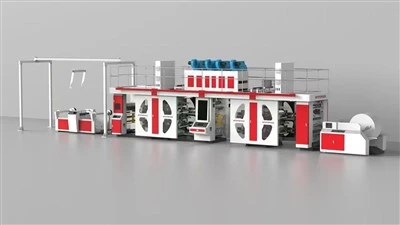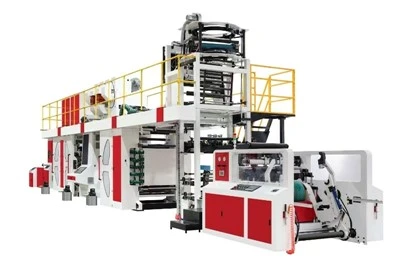


Proper ventilation plays a crucial and often underestimated role when operating a 6 - colour flexo printing machine. As a reliable supplier of Flexo Printing Machine 6 Colour, I have witnessed firsthand how effective ventilation systems can significantly impact the printing process, product quality, and the overall working environment. In this blog post, I will delve into the various aspects that highlight the importance of proper ventilation in a 6 - colour flexo printing setup.
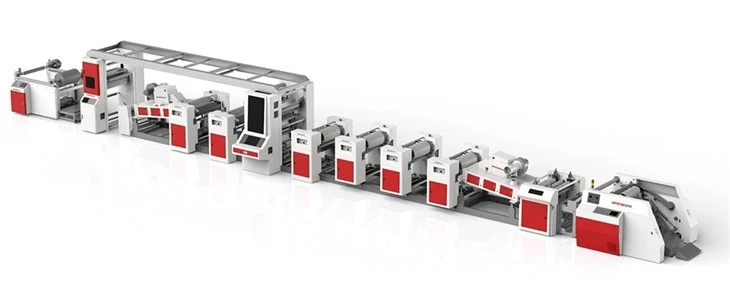

1. Chemical Vapor and Fume Management
Flexo printing involves the use of inks, solvents, and adhesives, many of which emit volatile organic compounds (VOCs) and other harmful fumes. When a 6 - colour flexo printing machine is in operation, these chemicals are constantly being heated, applied, and cured, leading to the release of vapors into the air. Poor ventilation can allow these vapors to accumulate to dangerous levels.
For instance, some solvents used in flexographic inks can cause respiratory problems, headaches, dizziness, and even long - term health issues like neurological damage. By having a proper ventilation system, these vapors can be effectively removed from the printing area. This not only protects the health of the operators but also ensures compliance with workplace health and safety regulations.
The ventilation system should be designed to constantly draw fresh air into the workspace and exhaust the contaminated air outside. This can be achieved through a combination of exhaust fans, ducts, and air intake systems. High - quality ventilation units can capture a large percentage of the VOCs and fumes, reducing the risk of exposure for the employees.
2. Ink Drying and Curing
In a 6 - colour flexo printing machine, each color layer needs to dry properly before the next one is applied. Adequate ventilation helps in the drying and curing process. The moving air from the ventilation system can carry away the moisture and solvents from the printed material, accelerating the drying time.
When the drying process is efficient, it reduces the chances of smudging, color bleeding, and other print quality issues. For example, if the ink on the first color layer does not dry quickly enough, the second color layer may mix with it, resulting in a blurred or inaccurate print. With proper ventilation, the inks can dry at an optimal rate, ensuring sharp, clear, and vibrant prints.
Moreover, some flexo printing processes use UV - curing inks. In such cases, ventilation is essential to remove the heat generated during the UV - curing process. Excessive heat can damage the printing materials, cause the inks to over - cure, or even lead to mechanical failures in the printing machine. A well - ventilated environment helps maintain a stable temperature, allowing for consistent and high - quality printing.
3. Equipment Longevity
The internal components of a 6 - colour flexo printing machine can be negatively affected by the presence of chemical fumes and high humidity levels. Chemical vapors can corrode metal parts, such as gears, rollers, and printing cylinders. Over time, this corrosion can lead to mechanical failures, reduced precision, and increased maintenance costs.
High humidity, which can result from the evaporation of solvents in an unventilated environment, can also cause damage to electrical components. Moisture can lead to short - circuits, electrical malfunctions, and premature wear of the control systems. By maintaining a well - ventilated workspace, the humidity levels can be controlled, and the corrosive effects of the fumes can be minimized.
This extends the lifespan of the printing machine, reducing the need for frequent repairs and replacements. As a supplier of [Flexo Printing Machine 6 Colour], I always emphasize the importance of proper ventilation to our customers to ensure the long - term performance and reliability of our machines.
4. Product Quality and Consistency
Consistent print quality is a top priority for any printing business. Proper ventilation can contribute greatly to achieving this goal. As mentioned earlier, it helps in the drying and curing of inks, which is crucial for the clarity and color accuracy of the prints.
In addition, a well - ventilated environment can prevent the build - up of static electricity. Static electricity can attract dust and debris to the printing materials, causing defects in the prints. By removing the hot, humid air and replacing it with fresh, dry air, the ventilation system can reduce the likelihood of static charge accumulation.
The movement of air in the printing area also helps in maintaining a uniform temperature across the printing machine and the printed material. Temperature variations can affect the viscosity of the inks and the expansion or contraction of the printing materials, leading to inconsistent print quality. With proper ventilation, the temperature can be kept stable, ensuring that each print job is of the same high quality.
5. Workplace Comfort and Productivity
A comfortable working environment is essential for the productivity of the employees. A 6 - colour flexo printing machine can generate a significant amount of heat and noise during operation. Poor ventilation can make the workspace hot, stuffy, and uncomfortable, leading to fatigue and reduced concentration among the operators.
When the ventilation system is properly designed, it can help dissipate the heat, keeping the workspace at a comfortable temperature. It also helps in reducing the noise levels by carrying away the sound waves generated by the machine. A comfortable and quiet workplace encourages employees to work more efficiently, resulting in higher productivity and fewer errors.
The Role of Different Types of Flexo Printing Machines
In the realm of flexo printing, there are various types of machines, each with its own ventilation requirements. For example, the Unit Type Printing Machine is designed with individual printing units, which may require a more targeted ventilation approach to ensure that each unit is properly ventilated.
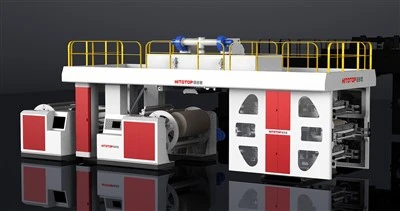
The Flexo Printing Press is a larger and more complex machine, often used for high - volume printing. It may generate more fumes and heat, necessitating a more powerful and comprehensive ventilation system.
High - speed machines such as the High Speed Flexo Printing Machine and High Speed Flexo Printer operate at a faster pace, which means that the inks and solvents are being used and evaporated more quickly. This requires an efficient ventilation system to keep up with the increased emission of fumes.
The Flexographic Machine as a whole category encompasses different designs and capabilities. Understanding the specific ventilation needs of these machines is crucial for achieving optimal performance and safety.
Conclusion
In conclusion, proper ventilation is of utmost importance when using a 6 - colour flexo printing machine. It impacts the health and safety of the operators, the quality of the prints, the longevity of the equipment, and the overall productivity of the printing process. As a supplier of [Flexo Printing Machine 6 Colour], we are committed to providing our customers with comprehensive information on how to ensure proper ventilation in their printing facilities.
If you are in the market for a high - quality 6 - colour flexo printing machine or need advice on ventilation systems for your existing setup, we encourage you to contact us. Our team of experts is ready to assist you in making the right choices for your business. We look forward to discussing your printing needs and helping you achieve the best results.
References
- Kipphan, H. (2001). Handbook of Print Media: Technologies and Production Methods. Springer.
- Patton, T. C. (1978). Paint Flow and Pigment Dispersion. Wiley - Interscience.
- Weber, C. J. (2008). Printing Ink Manual. Kluwer Academic Publishers.