

In the manufacturing industry, the slitting machine plays a pivotal role in transforming large - width materials into narrower strips. A frequently asked question from our clients, as a trusted slitting machine supplier, is "What is the minimum slitting width that a slitting machine can achieve?" This question not only reflects the diverse needs of the market but also challenges us to continuously push the boundaries of slitting technology.
Factors Influencing the Minimum Slitting Width
1. Blade Design and Quality
The blade is the heart of a slitting machine, and its design and quality significantly impact the achievable minimum slitting width. High - precision blades made from advanced materials, such as tungsten carbide, can maintain sharpness and stability during the slitting process. For example, in the case of a super - sharp circular blade with a precisely ground edge, it can cut through materials with a very small width. The blade's geometry, including the angle and thickness, also plays a crucial role. A thinner blade can reduce the width of the cut, allowing for narrower slitting. However, thinner blades may be more prone to breakage, so a balance must be struck between blade thinness and durability.
2. Material Characteristics
Different materials have different physical and mechanical properties, which directly affect the minimum slitting width. Some soft and flexible materials, like non - woven fabrics, can generally be slit into narrower widths compared to rigid or brittle materials. Non Woven Slitting Machine is specifically designed to handle non - woven materials, taking advantage of their flexibility to achieve relatively small slitting widths. On the other hand, materials such as thick plastics or metals may require a wider slitting width due to their high strength and hardness. When slitting thick metals, the blade needs to withstand greater cutting forces, and a wider slit is often necessary to ensure a clean and accurate cut.
3. Machine Precision and Stability
The overall precision and stability of the slitting machine are essential for achieving a small slitting width. High - quality slitting machines are equipped with advanced servo systems and precision bearings to ensure accurate material feeding and blade movement. For instance, a Slitting Rewinding Machine with high - precision rollers can maintain a consistent tension during the slitting process, reducing the risk of material wrinkling or deviation. Any vibration or instability in the machine can cause the blade to deviate from its intended cutting path, resulting in an uneven slit or even damage to the blade.


4. Cutting Method
There are several cutting methods used in slitting machines, including shear cutting, razor cutting, and laser cutting. Shear cutting involves the use of two blades that operate in a scissor - like motion. While this method is suitable for a wide range of materials, it may have limitations in achieving extremely narrow slitting widths due to the blade interference and the need for a certain amount of space for the cutting action. Razor cutting, on the other hand, uses a single razor blade and is often capable of achieving relatively narrow slits, especially for thin and soft materials. Laser cutting offers the highest precision and the potential for the narrowest slitting widths. It can cut through materials with a very high energy density, creating a narrow cut line. A High Speed Slitting Machine may incorporate laser cutting technology to achieve high - speed and high - precision slitting.
Typical Minimum Slitting Widths for Different Applications
1. Non - Woven Industry
In the non - woven industry, the minimum slitting width can be as narrow as 3 - 5 mm. This is because non - woven materials are relatively soft and can be easily cut with sharp blades. Our Non Woven Slitting Machine is optimized for this application, using high - precision razor blades and advanced tension control systems to ensure consistent and accurate slitting of non - woven fabrics into narrow strips.
2. Plastic Film Industry
For plastic films, the minimum slitting width usually ranges from 5 - 10 mm. Plastic films can vary in thickness and hardness, and factors such as the film's static electricity and adhesion need to be considered during slitting. A Slitting Rewinding Machine with appropriate anti - static devices and rewinding mechanisms can help achieve the desired slitting width while maintaining the quality of the plastic film strips.
3. Metal Foil Industry
In the metal foil industry, achieving a narrow slitting width is more challenging due to the high strength and tough nature of metals. The minimum slitting width for metal foils is typically around 10 - 20 mm. Specialized slitting machines with high - pressure hydraulic systems and durable tungsten carbide blades are used to ensure a clean and precise cut. PP Woven Valve Bag Slitter Rewinder also showcases similar principles in handling relatively tough materials related to valve bags.
4. Printing Industry
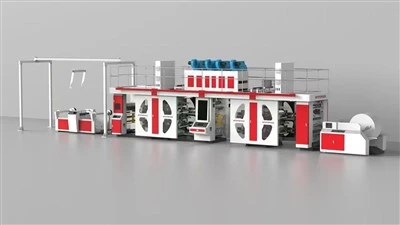
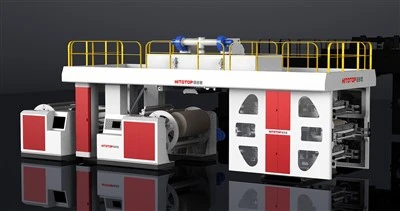
In the printing industry, the High Speed Flexo Printing Slitting Machine is used to slit printed materials into the required widths. The minimum slitting width can be around 8 - 15 mm, depending on the type of printing material and the printing pattern. High - precision slitting is crucial to ensure that the printed content is accurately divided and that the edges of the cut strips are smooth.
Pushing the Boundaries of Minimum Slitting Width
As a slitting machine supplier, we are constantly researching and developing new technologies to push the boundaries of minimum slitting width. We invest in the development of new blade materials and designs to improve cutting precision. For example, we are exploring the use of nanocomposite materials for blades, which offer higher hardness and wear resistance while maintaining a thin profile.
We also focus on improving the overall precision of our machines. By upgrading the servo control systems and using advanced sensors, we can achieve more accurate material feeding and blade positioning. Additionally, we are researching new cutting methods, such as water - jet cutting, which may offer the potential for even narrower slitting widths in the future.
Conclusion and Call to Action
In conclusion, the minimum slitting width that a slitting machine can achieve depends on multiple factors, including blade design, material characteristics, machine precision, and cutting method. Different industries have different requirements for slitting width, and our company is committed to providing customized solutions to meet these diverse needs.
If you are in need of a slitting machine or have specific requirements regarding the minimum slitting width, we invite you to contact us for a detailed consultation. Our team of experts will be happy to assist you in selecting the most suitable slitting machine for your application and discuss the technical aspects of achieving your desired slitting width.
References
- Brown, J. (2020). Advanced Manufacturing Techniques for Slitting Machines. Manufacturing Press.
- Smith, A. (2019). The Impact of Material Properties on Slitting Precision. Journal of Material Processing.
- Thompson, R. (2021). Blade Design and Its Influence on Slitting Width. Cutting Technology Journal.