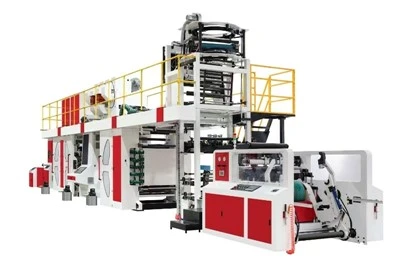


What is the Speed Adjustment Range of a Bag - Specific Testing Machine?
As a supplier of Bag - Specific Testing Machines, I often receive inquiries about the speed adjustment range of these machines. Understanding this range is crucial for various testing applications in the bag industry. In this blog, I will delve into the details of the speed adjustment range of Bag - Specific Testing Machines, its significance, and how it impacts different types of bag testing.
The Basics of Bag - Specific Testing Machines
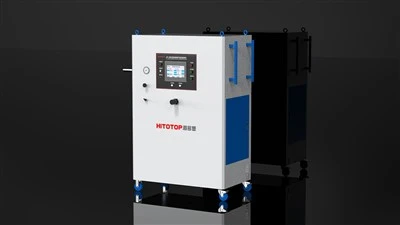
Bag - Specific Testing Machines are designed to evaluate the quality and performance of different types of bags. These include paper bags, plastic bags, cement sacks, and more. Bag - Specific Testing Machine come in various forms, each tailored to specific testing requirements such as strength, air permeability, abrasion resistance, etc.
The speed adjustment range is one of the key features of these machines. It allows operators to simulate different real - world conditions and test the bags under various speeds. For example, in the case of an abrasion test, the speed at which the bag is rubbed against a surface can significantly affect the test results. A higher speed might simulate more aggressive handling, while a lower speed could mimic a gentler usage scenario.
Significance of Speed Adjustment Range
The speed adjustment range is significant for several reasons. Firstly, it ensures the accuracy and relevance of the test results. Different bags are used in different environments and applications, and the speed at which they are subjected to stress can vary widely. By adjusting the speed of the testing machine, we can better replicate these real - world conditions and obtain more accurate data about the bag's performance.
Secondly, it provides flexibility for different testing standards. Various industries have their own specific testing standards, and these standards may require different testing speeds. For instance, the packaging industry for food products may have different testing requirements compared to the construction industry for cement sacks. A Bag - Specific Testing Machine with a wide speed adjustment range can meet the needs of multiple industries and testing standards.
Typical Speed Adjustment Ranges
The speed adjustment range of a Bag - Specific Testing Machine can vary depending on the type of test and the design of the machine.
1. Abrasion Testing
For an Abrasion Tester for Rub, the speed adjustment range is typically between 5 - 60 revolutions per minute (RPM). At a lower speed, such as 5 RPM, the abrasion test can simulate a slow and gentle rubbing action, which might occur when a bag is stored in a warehouse and is in contact with other objects. At a higher speed, like 60 RPM, it can mimic a more intense and rapid rubbing, such as when the bag is being transported on a conveyor belt with a rough surface.
2. Air Permeability Testing
In the case of a PP Bag Air Permeability Tester, the speed of the air flow through the bag can be adjusted. The speed adjustment range for air flow is usually from 0.1 - 10 cubic meters per hour. A lower air flow speed might be used to test the bag's ability to maintain a stable internal environment, while a higher speed can simulate the conditions when the bag is exposed to strong winds.
3. Strength Testing
For a Kraft Paper Bag Strength Tester, the speed at which the bag is pulled or compressed can be adjusted. The speed range is generally from 10 - 500 millimeters per minute. A slower speed, such as 10 mm/min, can be used to measure the bag's static strength, while a faster speed, like 500 mm/min, can test the bag's dynamic strength, which is important when the bag is subjected to sudden impacts during handling or transportation.

4. Cement Sack Testing
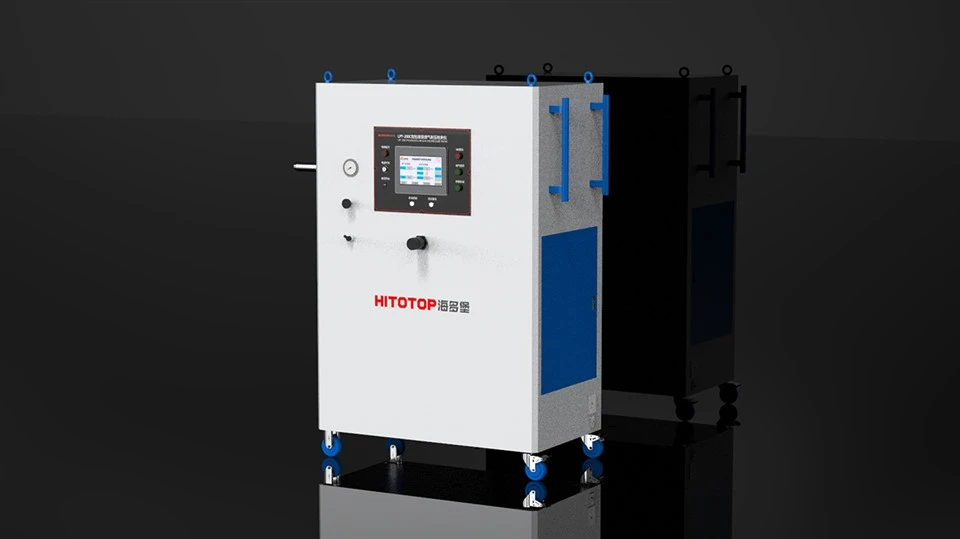
A Cement Sack Tester may have a speed adjustment range for the filling and emptying processes. The filling speed can range from 1 - 10 kilograms per minute, and the emptying speed can be adjusted from 2 - 20 kilograms per minute. These speeds are crucial to ensure that the cement sack can withstand the forces during the filling and emptying operations.
Factors Affecting the Speed Adjustment Range
Several factors can affect the speed adjustment range of a Bag - Specific Testing Machine.
1. Machine Design
The mechanical and electrical design of the machine plays a significant role. A well - designed machine with high - quality motors and gears can provide a wider and more precise speed adjustment range. For example, a machine with a servo - motor system can offer more accurate speed control compared to a machine with a simple AC motor.
2. Testing Requirements
The specific testing requirements also determine the speed adjustment range. If the test needs to simulate extreme conditions, such as high - speed transportation or heavy - duty usage, the machine should have a higher maximum speed. On the other hand, if the test is for a more delicate bag or a specific low - stress application, a lower minimum speed is required.
3. Safety Considerations
Safety is another important factor. The speed adjustment range should be designed in such a way that it does not pose a risk to the operators. For example, if the machine operates at a very high speed, there should be proper safety guards and emergency stop mechanisms in place.
How to Choose the Right Speed Adjustment Range
When choosing a Bag - Specific Testing Machine, it is essential to consider the speed adjustment range based on your specific testing needs.
1. Identify Your Testing Applications
First, determine the types of bags you will be testing and the specific tests you need to perform. For example, if you are mainly testing the abrasion resistance of plastic bags, you should look for a machine with an appropriate abrasion testing speed range.
2. Consider Industry Standards
Research the industry standards relevant to your bag products. These standards often specify the testing speeds required for different types of tests. Make sure the machine you choose can meet these standards.
3. Evaluate Future Expansion
Think about your future testing needs. If you plan to expand your product line or add new types of tests in the future, choose a machine with a wider speed adjustment range to accommodate these changes.
Conclusion
The speed adjustment range of a Bag - Specific Testing Machine is a critical feature that can significantly impact the accuracy and relevance of the test results. As a supplier, we understand the importance of providing machines with a suitable speed adjustment range to meet the diverse needs of our customers. Whether you are testing the strength of a kraft paper bag, the air permeability of a PP bag, or the abrasion resistance of a plastic bag, choosing the right machine with the appropriate speed adjustment range is essential.
If you are interested in purchasing a Bag - Specific Testing Machine or have any questions about the speed adjustment range, please feel free to contact us for a detailed discussion. We are committed to providing high - quality testing equipment and professional technical support to help you ensure the quality of your bag products.
References
- ASTM International Standards for Packaging Testing
- ISO Standards for Bag Testing
- Industry - specific guidelines for bag manufacturers