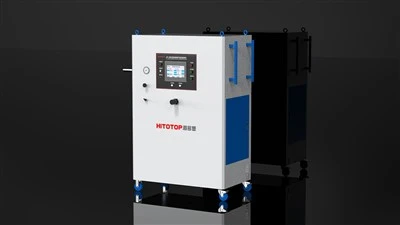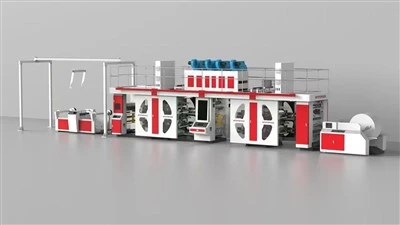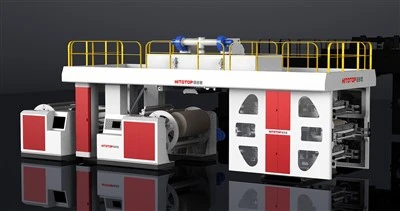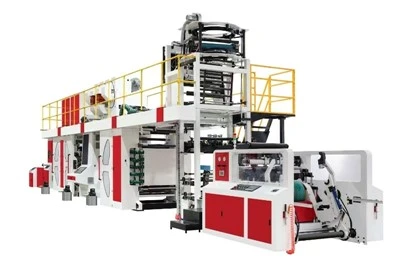


Hey there! As a supplier of high-speed flexo printers, I often get asked a bunch of questions about what these machines can and can't do. One of the more interesting queries I've come across lately is, "Can a High Speed Flexo Printer print on holographic materials?" Well, let's dive right into it and explore this topic in detail.
First off, let's talk a bit about high-speed flexo printers. These bad boys are pretty amazing pieces of tech. They're designed to print at super-fast speeds, which makes them ideal for large-scale production runs. Whether you're printing on paper, cardboard, or even some types of plastics, a High Speed Flexo Printing Machine can get the job done efficiently. They use flexible relief plates to transfer ink onto the substrate, and the high-speed capabilities mean you can churn out a whole lot of printed materials in a short amount of time.
But what about holographic materials? Holographic materials are unique. They have that shiny, iridescent look that catches the eye and gives a high-end, premium feel to whatever they're used on. Think of those fancy gift boxes, promotional items, or even some high-quality packaging for luxury products. The surface of holographic materials is different from your regular printing substrates. It's usually smooth and has a special coating that creates that holographic effect.
Now, the big question is whether a high-speed flexo printer can handle these special materials. The short answer is, it depends. There are a few factors we need to consider when it comes to printing on holographic materials with a flexo printer.
1. Ink Compatibility
The first thing we need to look at is the ink. The ink used in flexo printing needs to adhere well to the holographic surface. Not all inks are created equal, and holographic materials can be a bit finicky. We need to use inks that are specifically formulated to work with these surfaces. Some inks might not stick properly, which could result in smudging, poor print quality, or even the ink flaking off after printing. We've got to make sure the ink has the right viscosity and adhesion properties to create a clear and durable print on the holographic material.
2. Surface Treatment
Sometimes, the holographic material might need a little bit of surface treatment before printing. This could involve things like corona treatment, which helps to improve the surface energy of the material. When the surface energy is higher, the ink is more likely to spread and adhere evenly across the surface. It's like giving the ink a better "grip" on the holographic substrate.
3. Plate Quality
The quality of the flexo printing plates also plays a crucial role. The plates need to be able to hold the ink properly and transfer it accurately onto the holographic material. If the plates are of poor quality, it can lead to uneven printing, missing details, or a general lack of sharpness in the print. We use high-quality plates that are designed to work with high-speed flexo printers, which helps to ensure a consistent and high-quality print on holographic materials.
4. Printing Pressure and Speed
Finding the right balance between printing pressure and speed is essential. If the printing pressure is too high, it could damage the holographic surface, while too low a pressure might result in a faint or incomplete print. And with high-speed flexo printers, we've got to make sure the speed is optimized for holographic materials. Printing too fast could cause issues with ink transfer and adhesion, while printing too slow might not be efficient for large production runs.
5. Drying and Curing
Once the ink is printed onto the holographic material, it needs to dry and cure properly. This can be a bit tricky because the holographic surface can affect the drying process. We use special drying and curing techniques, such as UV curing, to ensure that the ink sets quickly and firmly on the material. This helps to prevent smudging and ensures that the print quality remains high.
So, to answer the question, yes, a high-speed flexo printer can print on holographic materials, but it requires careful consideration of these factors. At our company, we've had a lot of experience working with different types of substrates, including holographic materials. We've developed the expertise and techniques to make sure that the printing process is smooth and the end result is a high-quality, eye-catching print.
We offer a range of flexo printing machines, including the Inline Flexo Printing Machine, Flexo Printing Machine 6 Colour, Digital Flexo Printing Machine, and Flexographic Printing Machine. Each of these machines is designed to handle different types of printing jobs, and we can customize the settings to work with holographic materials.
If you're in the market for a high-speed flexo printer and you're interested in printing on holographic materials, we're here to help. We can provide you with all the information you need, offer technical support, and even do some sample prints to show you the quality we can achieve. Whether you're a small business looking to add a bit of flair to your packaging or a large corporation with big production needs, we've got the solution for you.
Don't hesitate to reach out if you have any questions or if you're ready to start the conversation about your printing requirements. We're always happy to chat and see how we can help you take your printing to the next level.


References
- Flexographic Printing Technical Association (FPTA) - Various publications on flexo printing technology and materials.
- Ink manufacturers' technical documentation on inks suitable for holographic surfaces.
- Studies on surface treatment techniques for printing substrates.