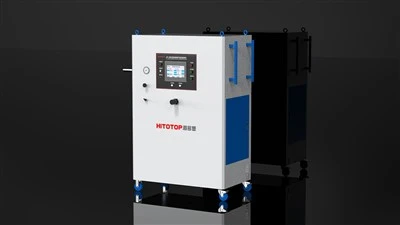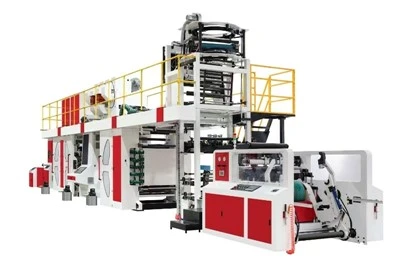


PP woven bags are widely used in various industries for packaging purposes due to their durability, strength, and cost - effectiveness. The printing on these bags is crucial as it provides information about the product inside, brand identity, and other necessary details. When it comes to PP woven bag printing machines, there are two main types: manual and automatic. As a PP woven bag printing machine supplier, I will delve into the differences between these two types of machines to help you make an informed decision for your business needs.


1. Operation Mechanism
Manual PP woven bag printing machines require significant human intervention throughout the printing process. The operator has to manually load the bags onto the printing platform, adjust the printing plates, set the ink levels, and control the printing speed. For example, when changing the design on the bag, the operator has to physically replace the printing plates, which is a time - consuming and labor - intensive task.
On the other hand, automatic PP woven bag printing machines are equipped with advanced control systems. They can automatically feed the bags, adjust the printing parameters such as ink flow, pressure, and speed according to pre - set programs. Once the machine is programmed with the required printing details, it can run continuously with minimal human supervision. This not only reduces the labor cost but also increases the overall efficiency of the printing process.
2. Printing Speed and Productivity
Manual printing machines generally have a lower printing speed compared to automatic ones. The speed of a manual machine is limited by the operator's physical ability to handle the bags and perform the necessary operations. A skilled operator can print around 100 - 200 bags per hour, depending on the complexity of the design.
Automatic printing machines, however, are designed for high - volume production. They can print at speeds of up to 500 - 1000 bags per hour or even more, depending on the model and specifications. This high speed makes them ideal for large - scale manufacturing operations where a large number of bags need to be printed in a short period.
3. Printing Quality
The printing quality of manual machines can vary depending on the skill and experience of the operator. Even a highly skilled operator may face challenges in maintaining consistent quality, especially when printing complex designs or multiple colors. Small errors in plate alignment, ink application, or pressure control can result in uneven printing, blurred images, or color variations.
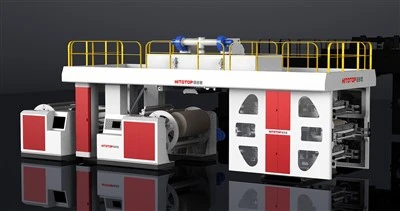
Automatic printing machines, with their precise control systems and advanced technology, can achieve high - quality and consistent printing results. They can accurately control the ink transfer, plate pressure, and registration, ensuring sharp images, clear lettering, and uniform color distribution. For instance, our Ci Printing Machine uses state - of - the - art technology to provide excellent printing quality for PP woven bags.
4. Flexibility in Design and Printing
Manual printing machines offer more flexibility when it comes to small - batch production and custom - designed bags. Since the operator can make quick adjustments during the printing process, it is easier to print unique designs or make on - the - fly changes. For example, if a customer requests a small number of bags with a special logo or message, a manual machine can handle this requirement more efficiently.
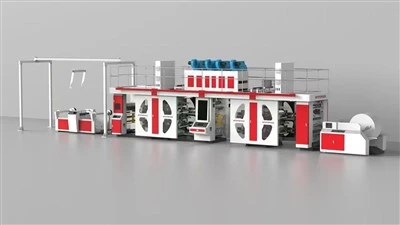
Automatic machines are better suited for large - scale production of standardized designs. While they can also be programmed to print different designs, the setup time for changing designs is relatively longer compared to manual machines. However, once the machine is set up, it can reproduce the same design accurately and consistently over a large number of bags. Our 6 Colour Flexo Printing Machine is capable of handling a wide range of designs with high precision.
5. Cost Considerations
The initial investment for a manual PP woven bag printing machine is generally lower than that of an automatic machine. Manual machines are simpler in design and do not require advanced control systems or complex automation technology, which makes them more affordable for small businesses or startups with a limited budget.
However, in the long run, automatic machines can be more cost - effective. Although they have a higher upfront cost, they offer significant savings in labor costs due to their reduced need for human operators. Additionally, their high productivity and consistent quality can lead to increased customer satisfaction and higher sales, offsetting the initial investment.
6. Maintenance and Technical Requirements
Manual printing machines are relatively easier to maintain. Since they have fewer mechanical and electronic components, the maintenance tasks such as cleaning, lubrication, and part replacement can be performed by in - house staff with basic technical skills.
Automatic printing machines are more complex and require regular maintenance by trained technicians. The advanced control systems, sensors, and servo motors need to be calibrated and serviced regularly to ensure optimal performance. However, many modern automatic machines, such as our Full Servo Flexo Printing Machine, are designed with user - friendly interfaces and diagnostic tools to simplify the maintenance process.
7. Safety Features
Manual printing machines usually have fewer safety features compared to automatic ones. The operator is more exposed to potential hazards such as moving parts, ink splashes, and sharp printing plates during the manual operation process.
Automatic machines are equipped with advanced safety features such as emergency stop buttons, safety guards, and sensors to detect abnormal conditions. For example, if an operator's hand gets too close to a moving part, the machine can automatically stop to prevent accidents. Our Gearless Flexo Printing Press is designed with top - notch safety features to ensure the well - being of the operators.
8. Integration with Other Production Processes
Manual printing machines are less likely to be integrated with other production processes. They usually operate independently, and the bags need to be manually transferred between different production stages such as cutting, sewing, and printing.
Automatic printing machines can be easily integrated into a fully automated production line. They can be connected to other machines such as bag making machines and cutting machines, allowing for seamless production flow. This integration improves the overall efficiency of the production process and reduces the chances of errors. Our High Speed Flexo Printing Machine is designed to be easily integrated into existing production lines.
Conclusion and Procurement Guide
In conclusion, the choice between a manual and an automatic PP woven bag printing machine depends on various factors such as your production volume, budget, quality requirements, and design flexibility. If you are a small business with a low - volume production and a need for custom - designed bags, a manual machine may be a suitable choice. However, if you have a large - scale manufacturing operation and require high - quality, consistent printing at a high speed, an automatic machine is the better option.
As a PP woven bag printing machine supplier, we offer a wide range of machines to meet different customer needs. Whether you are looking for a cost - effective manual machine or a state - of - the - art automatic machine, we have the right solution for you. If you are interested in learning more about our products or having a detailed discussion about your specific requirements, feel free to contact us. We are committed to providing you with the best equipment and professional advice to help you succeed in your business.
References
- Packaging Machinery Manufacturer's Institute. (2023). Guide to Printing Equipment for Packaging.
- Association of Printing and Graphics Industries. (2023). Trends in Woven Bag Printing Technology.