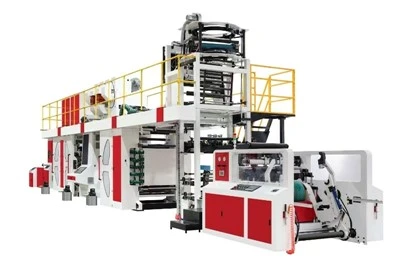


What are the power requirements for a Flexographic Printing Machine?
As a trusted supplier of Flexographic Printing Machines, we often receive inquiries about the power requirements of these complex pieces of equipment. Understanding the power needs is crucial for both operational efficiency and cost - effectiveness. In this blog, we will delve into the various factors that influence the power requirements of a flexographic printing machine and provide you with comprehensive insights.
The Basics of Flexographic Printing Machines
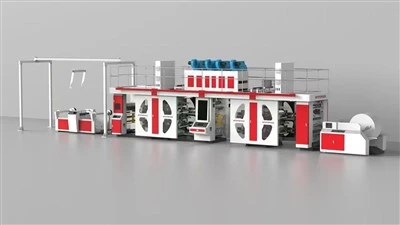
Flexographic printing is a popular and versatile printing method used in a wide range of industries, including packaging, label production, and more. Flexographic machines come in different types and configurations, such as Flexographic Machine, Full Servo Flexo Printing Machine, High Speed Flexo Printer, Roll Fed Flexo Press, and Central Impression Flexo. Each type has its own unique power consumption characteristics.
Factors Affecting Power Requirements
Machine Size and Configuration
The size of the flexographic printing machine is one of the primary determinants of its power requirements. Larger machines with more printing units, wider printing widths, and additional features such as automatic registration systems and web handling equipment will generally consume more power. For example, a high - end Full Servo Flexo Printing Machine with multiple servo - controlled axes and advanced automation capabilities will require more electrical power compared to a smaller, more basic model.
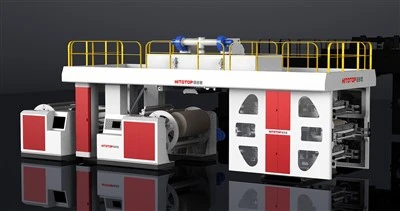
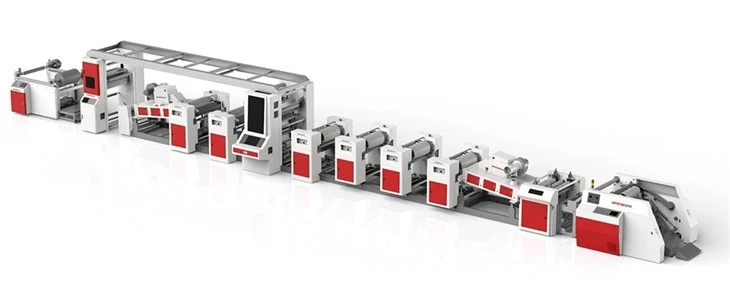
The configuration of the machine also plays a role. Machines with a central impression cylinder design, like the Central Impression Flexo, tend to have different power consumption patterns. The large central cylinder requires significant power to rotate at the desired speed, and additional power is needed to control the pressure and ink flow for each printing unit.
Printing Speed
The speed at which the flexographic printing machine operates is directly related to its power consumption. Higher - speed machines, such as High Speed Flexo Printers, need more power to drive the mechanical components, including the printing cylinders, anilox rollers, and web transport system. As the speed increases, the motors and actuators work harder to maintain the precision and quality of the printing process. For instance, a machine running at 300 meters per minute will consume more power than the same machine operating at 150 meters per minute.
Drying Systems
Flexographic printing inks often require a drying process to ensure fast and efficient production. The type and capacity of the drying system used in the machine can significantly impact power requirements. Common drying methods include hot air drying and UV drying. Hot air drying systems use heaters to generate and circulate hot air, which requires a substantial amount of electrical power. UV drying systems, on the other hand, use ultraviolet lamps to cure the inks. The power consumption of UV lamps depends on their wattage and the number of lamps installed. A machine with a large - scale UV drying system for high - speed production will consume a considerable amount of power.
Automation and Control Systems
Modern flexographic printing machines are equipped with advanced automation and control systems that enhance productivity and quality. These systems include servo motors, programmable logic controllers (PLCs), touch - screen interfaces, and sensors. Servo motors, which are used for precise control of the printing process, consume power based on their torque and speed requirements. PLCs and other control devices also draw power to operate continuously and manage the various functions of the machine. The more sophisticated the automation and control system, the higher the power consumption.
Typical Power Consumption Ranges
The power consumption of a flexographic printing machine can vary widely depending on the factors mentioned above. Smaller table - top or entry - level flexographic machines may have a power requirement of around 5 - 15 kilowatts (kW). These machines are usually suitable for small - scale production or prototyping.
Medium - sized machines, commonly used in medium - scale packaging and label production, can have power requirements ranging from 15 - 50 kW. These machines typically have 2 - 6 printing units and may include basic drying and automation features.
Large - scale industrial flexographic printing machines, such as high - speed multi - color Roll Fed Flexo Presses with advanced automation and powerful drying systems, can consume 50 kW or more. In some cases, very large and high - performance machines may require upwards of 100 kW of power.

Power Supply Considerations
When installing a flexographic printing machine, it is essential to ensure that the power supply can meet the machine's requirements. The power supply should have a stable voltage and frequency to avoid operational issues and damage to the machine. In addition, the electrical wiring and circuits must be appropriately sized to handle the power load.
Most flexographic printing machines require a three - phase power supply, which is more common in industrial settings. However, some smaller machines can operate on a single - phase power supply. It is crucial to consult the machine's technical specifications and a qualified electrician to determine the appropriate power supply configuration.
Energy Efficiency
As energy costs continue to rise and environmental concerns become more prominent, energy efficiency is an important consideration for flexographic printing machine users. Many of our Flexographic Machines are designed with energy - saving features, such as variable frequency drives (VFDs) for motors, energy - efficient drying systems, and intelligent control algorithms.
VFDs allow the motors to adjust their speed according to the actual load, reducing power consumption when the machine is operating at lower speeds. Energy - efficient drying systems use advanced technologies to minimize heat loss and optimize the drying process, resulting in lower energy usage. Intelligent control algorithms can automatically adjust the machine's settings based on the production requirements, further improving energy efficiency.
Conclusion
In conclusion, the power requirements of a flexographic printing machine are influenced by multiple factors, including machine size and configuration, printing speed, drying systems, and automation and control systems. Understanding these factors is essential for selecting the right machine for your production needs and ensuring that you have a suitable power supply.
As a leading supplier of flexographic printing machines, we are committed to providing our customers with high - quality, energy - efficient machines. Our technical team is always available to assist you in evaluating the power requirements of our machines and help you choose the most appropriate solution for your business.
If you are interested in learning more about our flexographic printing machines or have specific power - related questions, we invite you to contact us. We look forward to discussing your requirements and exploring how our machines can enhance your printing production.
References
- "Flexographic Printing Technology Handbook" - A comprehensive guide on flexographic printing, covering machine design and operation.
- Industry reports on energy consumption in the printing industry, which provide data and analysis on flexographic printing machine power requirements.