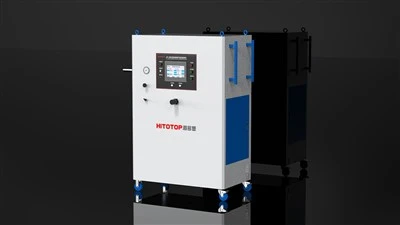


Operating a cement sack tester correctly is crucial for ensuring the quality and durability of cement sacks. As a leading supplier of Cement Sack Tester, we understand the importance of accurate testing and the proper operation of our equipment. In this blog post, we will guide you through the correct procedures for operating a cement sack tester, from preparation to the actual testing process.
Preparation Before Testing
1. Equipment Inspection
Before starting any test, it is essential to inspect the cement sack tester thoroughly. Check the power supply to ensure it is properly connected and that the voltage is within the specified range. Examine all mechanical parts, such as the loading mechanism, sensors, and fixtures, for any signs of damage or wear. Make sure that all moving parts are lubricated as per the manufacturer's recommendations.
2. Sample Selection
Select representative cement sack samples for testing. The samples should be randomly chosen from a batch to ensure the test results accurately reflect the overall quality of the sacks. The number of samples required may vary depending on the testing standards and the size of the batch. Typically, a minimum of five samples is recommended for reliable results.
3. Environmental Conditions
The testing environment can significantly affect the test results. Ensure that the testing area is clean, dry, and free from excessive vibrations. The temperature and humidity should be within the specified range for the cement sack tester. Most testers operate optimally at a temperature of 23 ± 2°C and a relative humidity of 50 ± 5%.
Setting Up the Cement Sack Tester
1. Calibration
Calibration is a critical step in ensuring the accuracy of the test results. Follow the manufacturer's instructions to calibrate the cement sack tester regularly. This usually involves using reference weights or standards to verify the accuracy of the load cell and other measuring devices. Make sure to record the calibration results for future reference.
2. Fixture Installation
Install the appropriate fixtures for the type of test you will be performing. For example, if you are testing the tensile strength of the cement sack, install the tensile grips. Ensure that the fixtures are properly aligned and tightened to prevent any slippage during the test.
3. Parameter Setting
Set the test parameters according to the testing standards and the requirements of your project. These parameters may include the test speed, the maximum load, and the preload. Make sure to double-check the settings before starting the test to avoid any errors.
Performing the Test
1. Sample Mounting
Carefully mount the cement sack sample onto the fixtures. Make sure that the sample is centered and properly aligned. If the sample is not mounted correctly, it may affect the test results. For example, if the sample is not centered in the tensile grips, it may cause uneven stress distribution and lead to inaccurate tensile strength measurements.
2. Test Initiation
Once the sample is mounted and the parameters are set, start the test. The cement sack tester will apply the load to the sample according to the preset test speed. Monitor the test process closely and observe any changes in the sample, such as deformation or failure.
3. Data Recording
The cement sack tester will record various data during the test, such as the load, displacement, and time. Make sure to record these data accurately for further analysis. Some modern cement sack testers are equipped with software that can automatically record and analyze the test data, making the process more efficient.
Analyzing the Test Results
1. Comparison with Standards
Compare the test results with the relevant standards and specifications. These standards may include the minimum tensile strength, the maximum elongation, and the abrasion resistance of the cement sacks. If the test results do not meet the standards, it may indicate a problem with the quality of the sacks or the manufacturing process.
2. Interpretation of Results
Interpret the test results to understand the performance of the cement sacks. For example, if the tensile strength of the sacks is lower than expected, it may be due to a problem with the material or the sewing process. Use the test results to identify areas for improvement and to take appropriate corrective actions.
3. Reporting
Prepare a detailed test report that includes the test results, the test conditions, and any observations or recommendations. The report should be clear, concise, and easy to understand. It can be used for quality control, compliance, and communication purposes.


Maintenance and Troubleshooting
1. Regular Maintenance
Regular maintenance is essential for ensuring the proper operation and longevity of the cement sack tester. Follow the manufacturer's maintenance schedule and perform tasks such as cleaning, lubrication, and inspection of the equipment. Replace any worn or damaged parts promptly to prevent any breakdowns.
2. Troubleshooting
If the cement sack tester malfunctions or the test results are inaccurate, follow the troubleshooting guide provided by the manufacturer. Check the power supply, the connections, and the settings. If the problem persists, contact the manufacturer's technical support team for assistance.
Related Testing Equipment
In addition to the Cement Sack Tester, we also offer a range of other packaging testing equipment to meet your specific needs. These include:
- Bag-Specific Testing Machine: This machine is designed for testing the strength and durability of various types of bags.
- Kraft Paper Bag Strength Tester: Specifically designed for testing the strength of kraft paper bags.
- Abrasion Tester for Rub: Used to test the abrasion resistance of packaging materials.
- PP Bag Air Permeability Tester: Ideal for measuring the air permeability of PP bags.
Conclusion
Operating a cement sack tester correctly is essential for ensuring the quality and durability of cement sacks. By following the procedures outlined in this blog post, you can obtain accurate test results and make informed decisions about the quality of your products. As a leading supplier of cement sack testers and other packaging testing equipment, we are committed to providing high-quality products and excellent customer service. If you have any questions or need further information about our products, please feel free to contact us. We look forward to the opportunity to discuss your requirements and help you find the best testing solutions for your business.
References
- Manufacturer's manual of the cement sack tester.
- Relevant testing standards for cement sacks.